
Mechanical vs. Chemical Digestion College notes, School related, School help

Digestive Processes. The processes of digestion include six activities: ingestion, propulsion, mechanical or physical digestion, chemical digestion, absorption, and defecation. The first of these processes, ingestion, refers to the entry of food into the alimentary canal through the mouth.
PPT By Sunny Wang PowerPoint Presentation, free download ID2379047

The large intestine is about 5 feet long. Figure 11.16.1 11.16. 1: This drawing shows the major organs of the digestive system. The liver, pancreas and gallbladder are also organs of the digestive system. Digestion is the process of breaking down food into nutrients. There are two types of digestion, mechanical and chemical.
PPT the digestive system PowerPoint Presentation, free download ID2053006
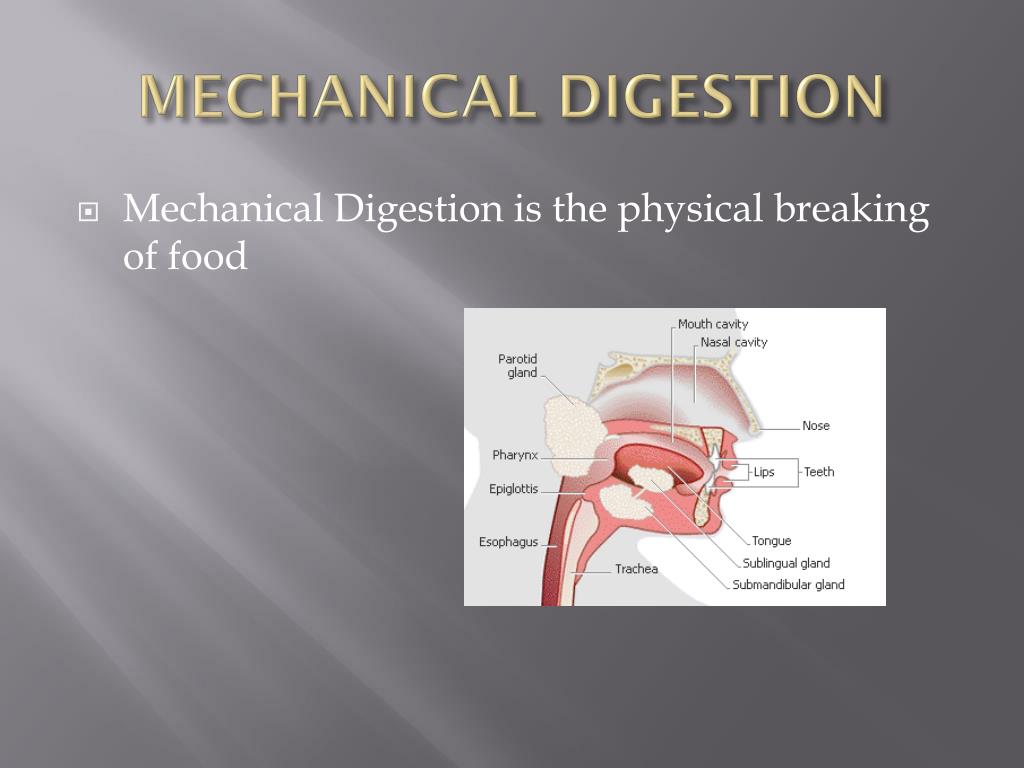
Digestion is the mechanical and chemical break down of food into small organic fragments. It is important to break down macromolecules into smaller fragments that are of suitable size for absorption across the digestive epithelium. Large, complex molecules of proteins, polysaccharides, and lipids must be reduced to simpler particles such as.
😍 Compare and contrast chemical and mechanical digestion. Difference Between Mechanical

Chemical and mechanical digestion are both vital processes in the overall digestive system. Chemical digestion breaks down complex molecules into simpler ones through the action of enzymes and digestive juices, while mechanical digestion physically breaks down food into smaller particles through chewing, grinding, and muscular contractions.
Difference between complete digestive system and digestive system Biology YouTube

Key Terms. mastication: The process of mechanical breakdown by the teeth; also known as chewing.; bolus: Moistened and mechanically manipulated food.; mechanical digestion: The breaking down of food into digestible chunks, normally using the teeth.; chemical digestion: A process that involves the action of enzymes to break down food into components that can be absorbed by the small intestine.
PPT Digestion in the Mouth PowerPoint Presentation, free download ID2193431
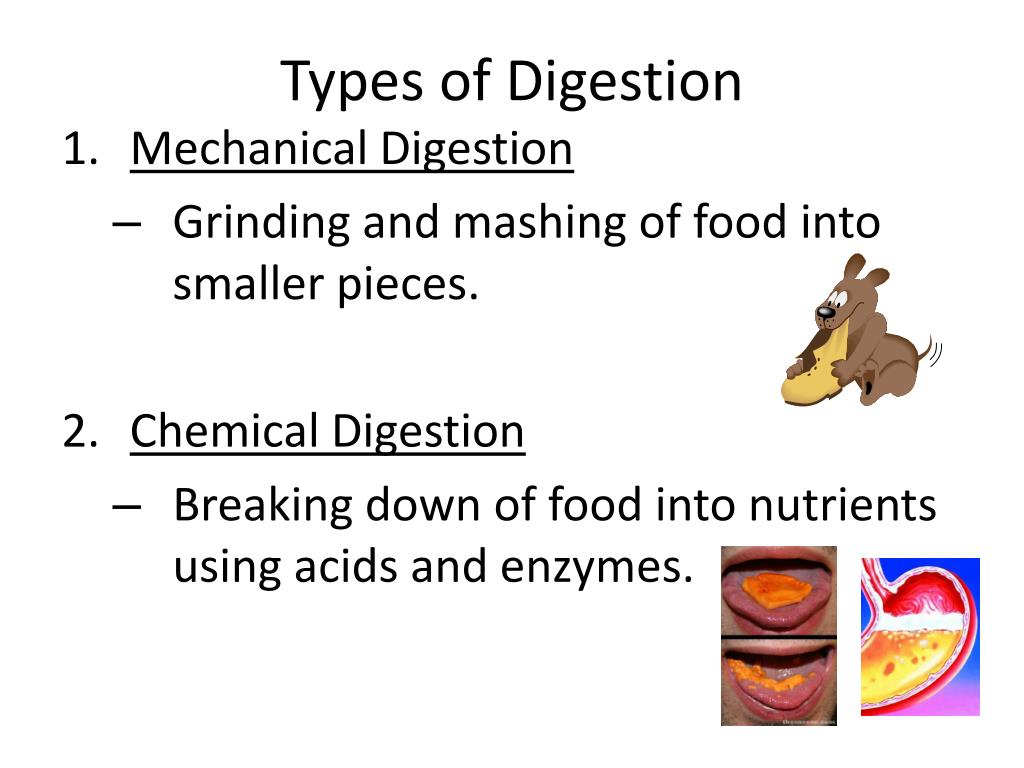
Describe the difference between mechanical digestion and chemical digestion; Describe the difference between peristalsis and segmentation; The digestive system uses mechanical and chemical activities to break food down into absorbable substances during its journey through the digestive system. Table \(\PageIndex{1}\) provides an overview of the.
Activity 3 Using the Venn diagram compare and contrast mechanical and chemical digestion

Digestion is the process of mechanically and enzymatically breaking down food into substances for absorption into the bloodstream. The food contains three macronutrients that require digestion before they can be absorbed: fats, carbohydrates, and proteins. Through the process of digestion, these macronutrients are broken down into molecules that can traverse the intestinal epithelium and enter.
PPT The Digestive System PowerPoint Presentation, free download ID1890854
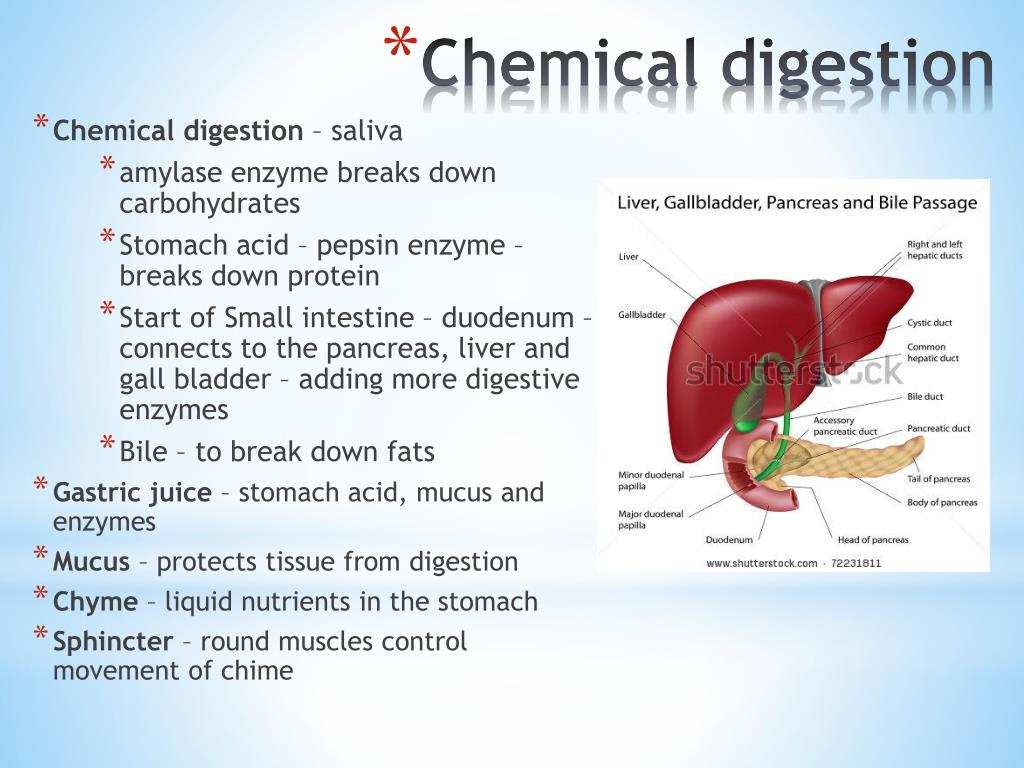
Mechanical digestion takes place alongside chemical digestion. The main difference is that mechanical digestion is a physical process where grinding, tossing, and churning break your food into.
Mechanical Digestion vs. Chemical Digestion What’s the Difference?
Term. Meaning. Digestive system. The body system that converts food into energy and nutrients to fuel the body. Chemical digestion. The breaking down of food using chemical agents, such as enzymes and bile. Mechanical digestion. The breaking down of food by physical means, such as chewing. Absorption.
Mechanical & Chemical Digestion

Digestion is the breaking down of the food we eat into other substances that our bodies can absorb and use. There are mechanical and chemical digestive processes.Mechanical digestion includes.
Mechanical v Chemical Digestion

Key Differences. Mechanical digestion involves the physical breaking apart of food into smaller pieces. On the other hand, chemical digestion is the process by which food is broken down into its nutrient components through the action of enzymes and other chemicals. 14. When we chew our food, we're engaging in mechanical digestion, as our teeth.
Difference Between Mechanical Digestion and Chemical Digestion Compare the Difference Between

Digestive Processes. The processes of digestion include six activities: ingestion, propulsion, mechanical or physical digestion, chemical digestion, absorption, and defecation. The first of these processes, ingestion, refers to the entry of food into the alimentary canal through the mouth.
PPT Introduction to the Gastrointestinal System PowerPoint Presentation ID1865585
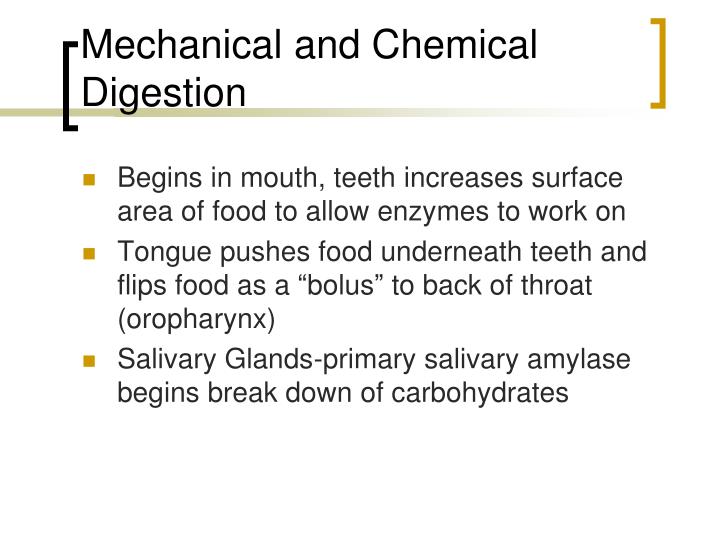
The processes of digestion include six activities: ingestion, propulsion, mechanical or physical digestion, chemical digestion, absorption, and defecation. The first of these processes, ingestion, refers to the entry of food into the alimentary canal through the mouth. There, the food is chewed and mixed with saliva, which contains enzymes that.
️ Compare mechanical and chemical digestion. Mechanical Digestion Vs. Chemical Digestion Know
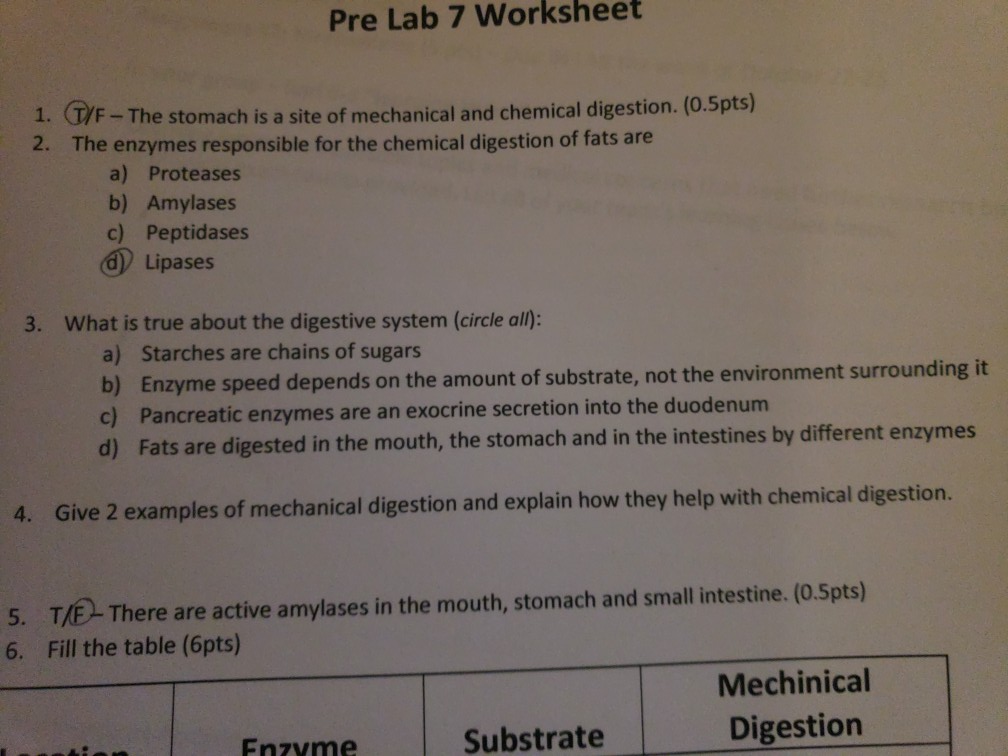
Mechanical digestion occurs so the body can then carry out chemical digestion. Chemical digestion uses certain enzymes to break down nutrients, such as carbohydrates, proteins, and fats, into.
PPT By Sunny Wang PowerPoint Presentation, free download ID2379047

This is due to the complex procedure involved in Chemical digestion. 1. Mechanical digestion refers to the digestion process that breaks the food into smaller particles. 2. Chemical digestion is the process where acids, bases and enzymes released into the digestive track responds to semi-solid food lumps. 3.
PPT The Digestive System PowerPoint Presentation, free download ID2036377
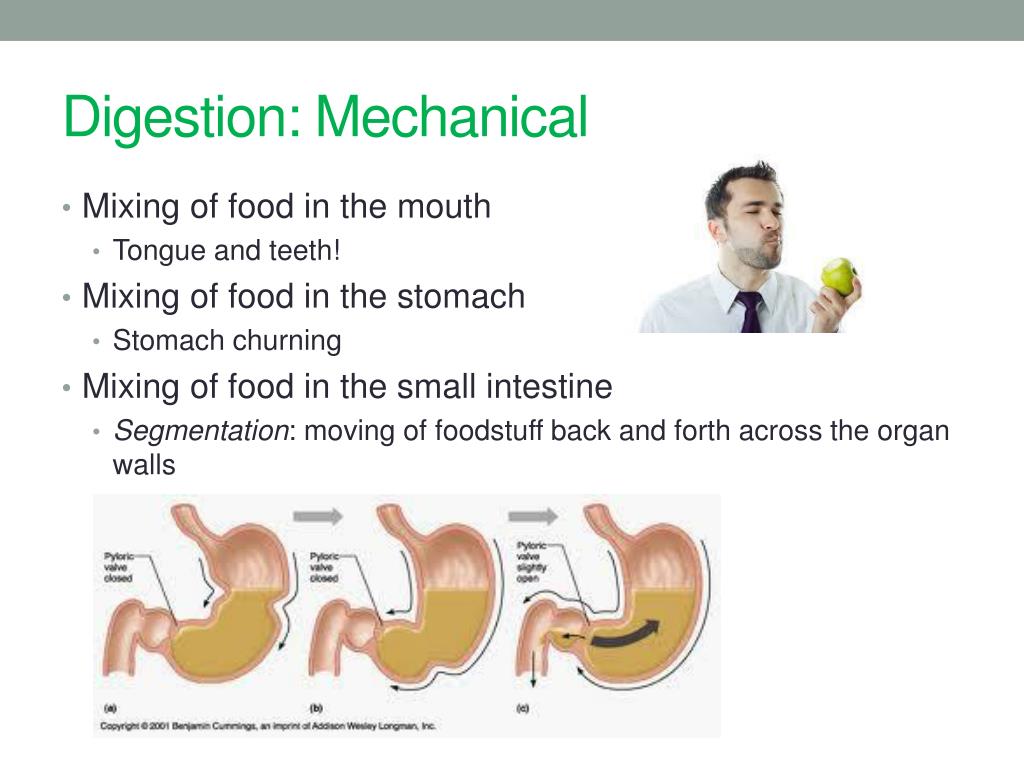
Chemical Digestion. Large food molecules (for example, proteins, lipids, nucleic acids, and starches) must be broken down into subunits that are small enough to be absorbed by the lining of the alimentary canal. This is accomplished by enzymes through hydrolysis. The many enzymes involved in chemical digestion are summarized in Table 23.8.
.