
Cornstarch vs. Corn Flour (Learn the Difference) Insanely Good
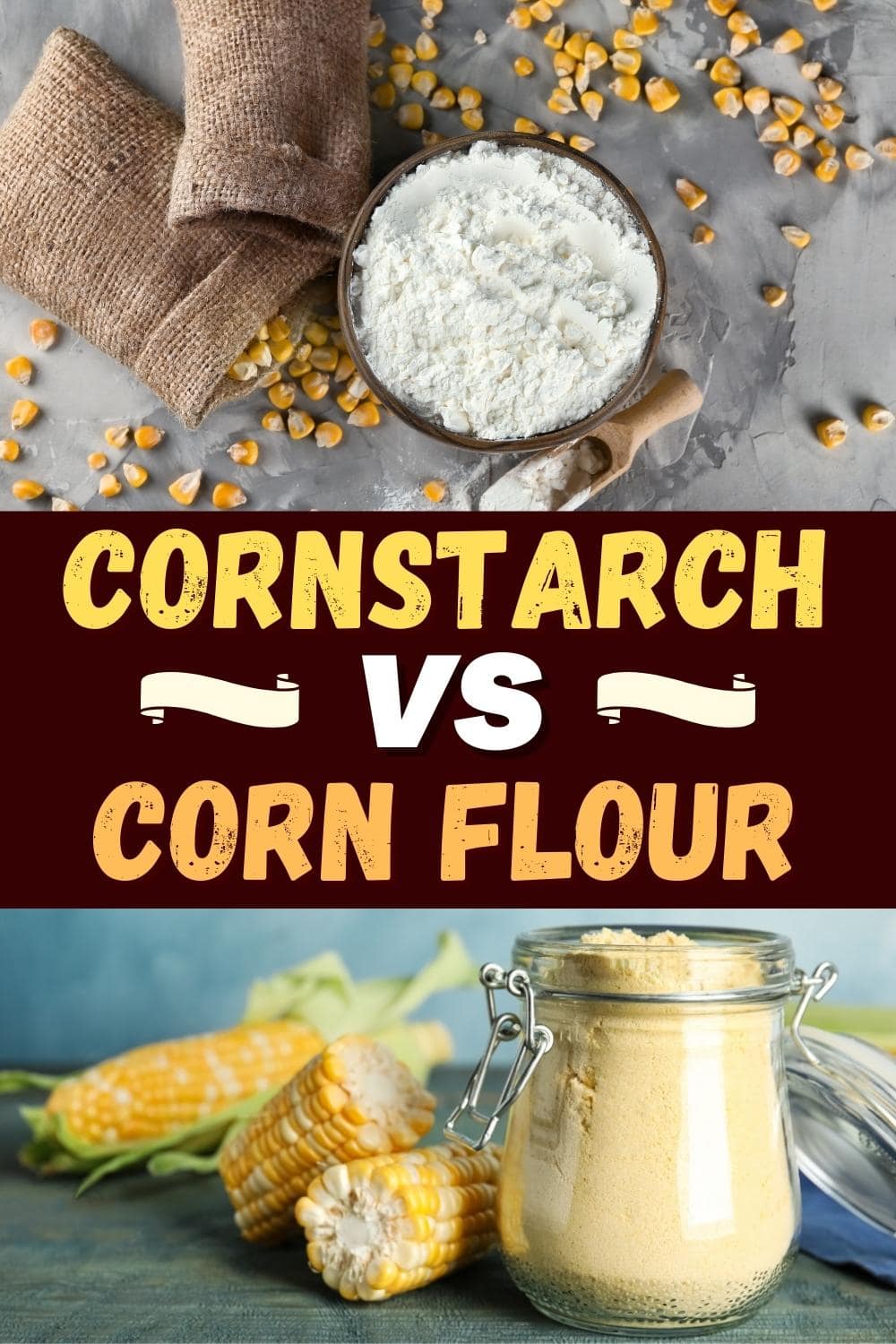
On the other hand, flour is more of an opaque and white color. It can even be cloudy. Another difference is flour's tendency to clump together, especially when added to the liquid. Flour has gluten and corn starch does not. Since corn starch doesn't contain gluten, it is a more ideal thickening agent than flour.
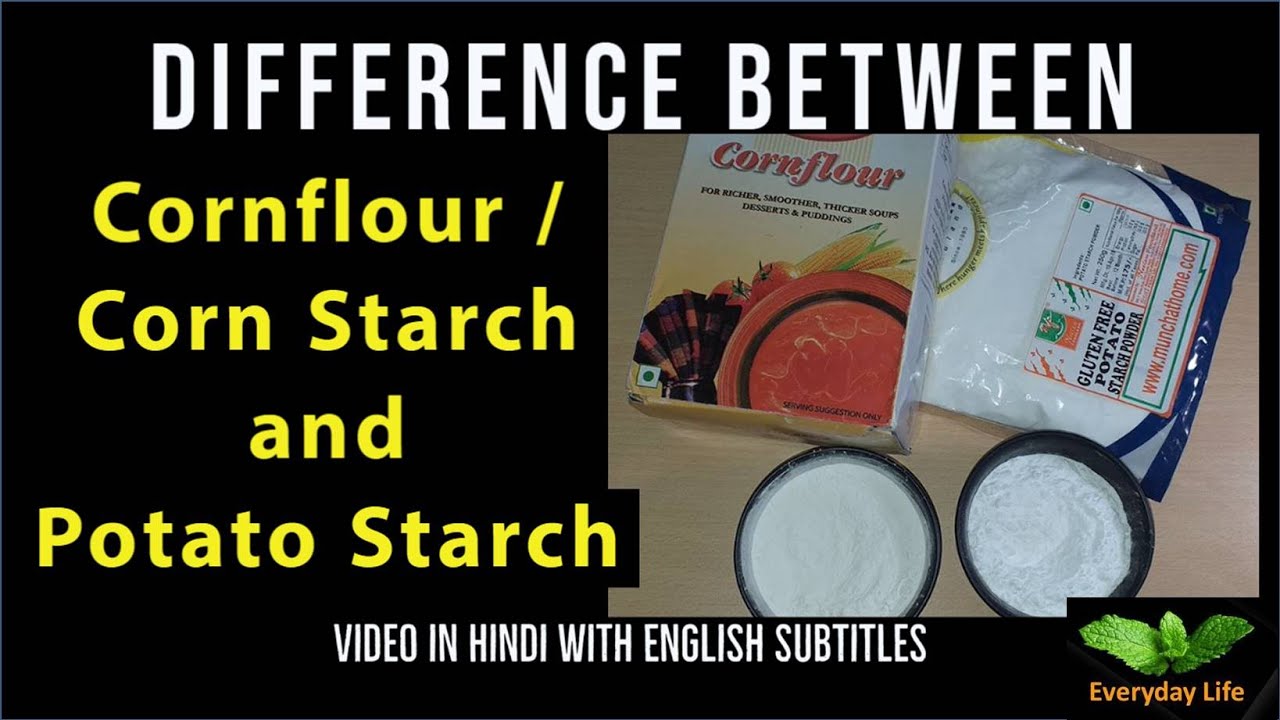
Difference between Cornflour/Corn Starch & Potato Starch What is Cornflour? Everyday life 70
Wheat flour and cornstarch are the two most common forms of grain starches we use in our cooking. Because it is almost pure starch, cornstarch is a more efficient thickener than wheat flour. Both are medium-sized starch granules that gelatinize at a higher temperature than root starches. However, once that temperature is reached, thickening.
What's the Difference Between Cornstarch and Corn Flour MacigroKent

What are the nutritional profiles of cornstarch vs. corn flour? Since corn flour is less refined, it contains more protein, fiber, starch, vitamins, and minerals than cornstarch, which is mainly made up of carbs. Table 1. Nutritional differences of 58 grams of corn flour and cornstarch. Nutrient. Cornstarch.
Maize Flour Vs Cornflour मेज़ फ्लावर Vs कॉर्न फ्लावर Maize Flour Vs Corn Starch 188 YouTube

While both ingredients are fine, corn flour is noticeably coarser. Cornstarch is much finer and is more like baking powder than flour. They have different colors, as well. Cornstarch is pure white, whereas some corn flour is yellow. There's also white corn flour, but it's still a dingier white than cornstarch.
Corn Flour vs. Cornstarch What is the Difference? (2023)
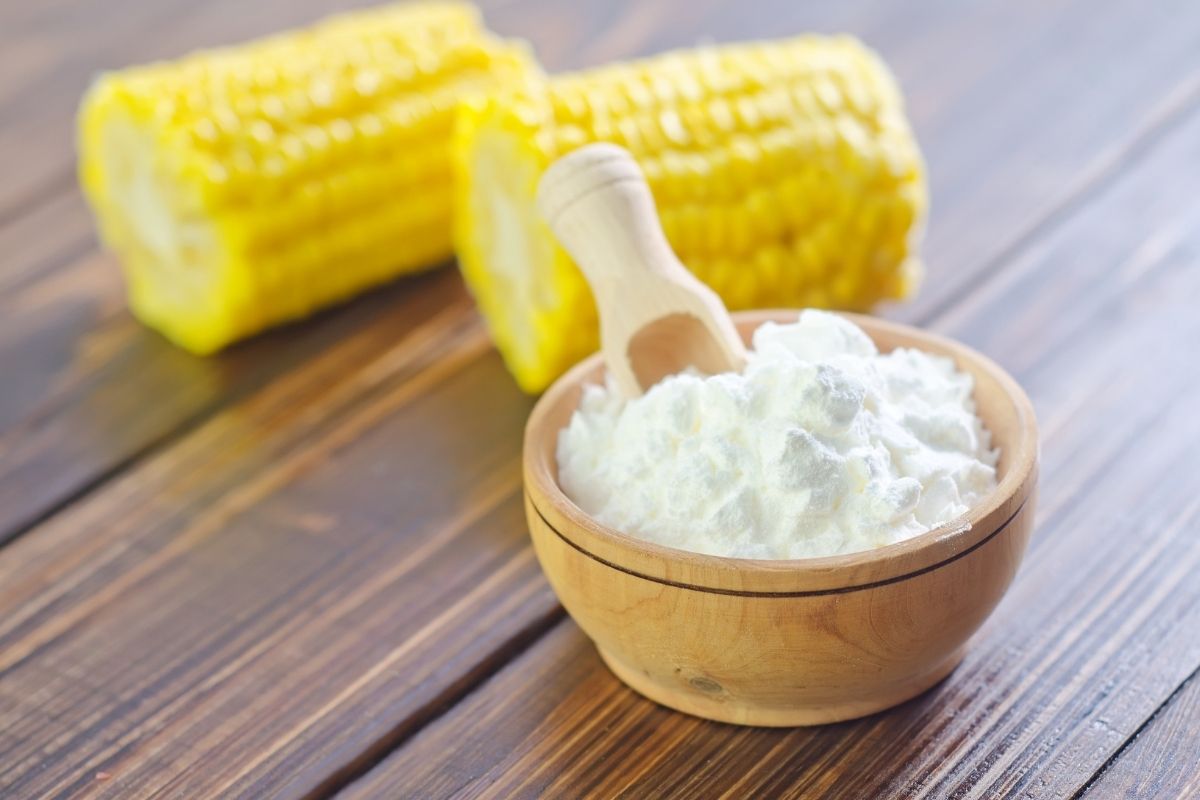
The presence of gluten in flour makes it less effective. 3.Cornstarch is added to cold water, while the flour is mixed with hot water. 4.The cornstarch mixture produces a shine or gloss, while the flour blend leaves an opaque and cloudy look. 5.Cornstarch is made from corn, while flour is made from wheat. Author.
Difference Between Flour and Cornstarch YouTube

Corn starch, also known as maize starch, is starch that comes from corn kernels. There's also something called 'modified corn starch' which is starch that is treated, processed, or otherwise changed to make it more useful, consistent, or effective. It is most commonly used in recipes to thicken liquid for when you want richer soups, stews.
Corn Flour or Cornstarch Which one is the Best for Your Recipe?

See why leading organizations rely on MasterClass for learning & development. Cornstarch and flour are both made by grinding grains into a fine white powder and both have unique applications as thickening agents in cooking.
Difference between Corn Flour and Corn starch video nmp
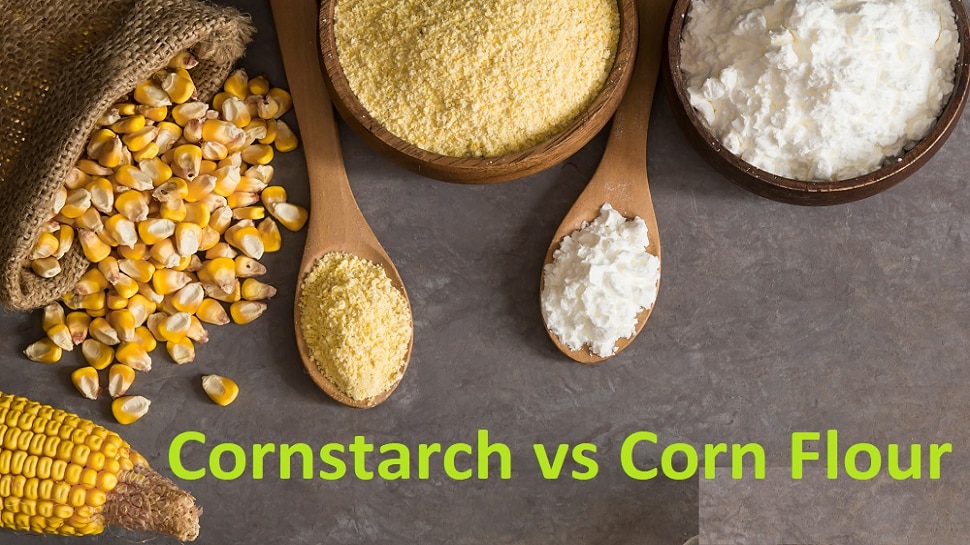
What is the main difference between cornstarch and corn flour? The main difference between cornstarch and corn flour lies in their composition and intended use. Cornstarch is a fine, white powder used as a thickening agent, while corn flour is made from the entire corn kernel and is used for its flavor and texture in baking.
Difference between Corn Flour & Cornstarch in Hindi A Food Show with Kunal Kapur Maize F

While cornstarch and corn flour are made from corn, they are not the same. Corn flour is made by grinding whole, dried corn kernels into a fine, yellow powder. It is used similarly to other types of flour. Cornstarch, on the other hand, is more refined. It is made from the starchy center of a corn kernel and used mainly as a thickening agent.
Cornstarch Vs. Flour Which Is Better For Thickening Food?
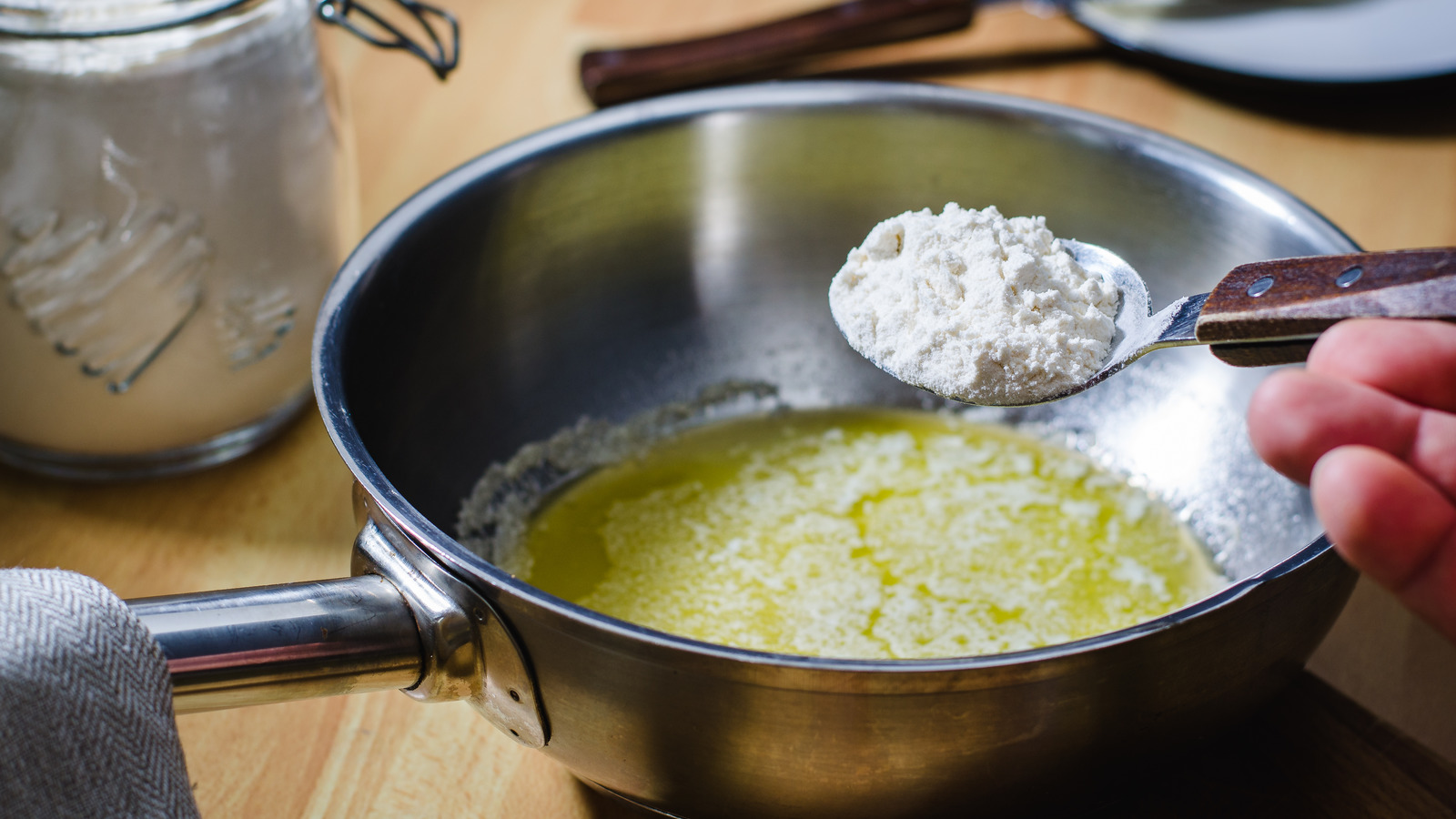
Corn flour has a slightly nutty and sweet flavor, while cornstarch is flavorless. Corn flour is best used in recipes that require a tender crumb and a subtle corn flavor, while cornstarch is ideal for thickening sauces and creating a glossy appearance in dishes. Additionally, corn flour is gluten-free, making it a great alternative for those.
Cornstarch vs Corn Flour What is Difference between them
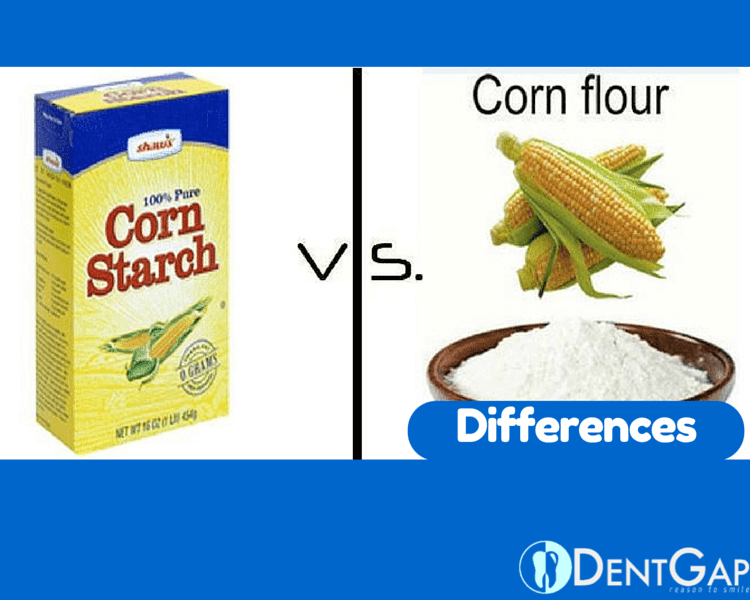
Corn starch has 0.3 grams of protein. It's one of the reasons you can't use it for baking since the baked goods won't hold well. It also has no fat and fiber, while corn flour has 1.2 grams of fat and 2 grams of fiber per serving. Corn starch has more carbohydrates than corn flour.
Cornstarch vs Corn Flour What's the Difference? The Loopy Whisk

In the US maize is used to make cornflour but in Australia, it is made from wheat which is why it often reads "wheaten cornflour". You can substitute the same amount of cornflour to cornstarch in your recipe. It is a good idea to always have cornflour on hand as you can easily add a tsp or two to a dish that has thickened like you'd like.
Corn Flour vs. Cornstarch What is the Difference? (2024)
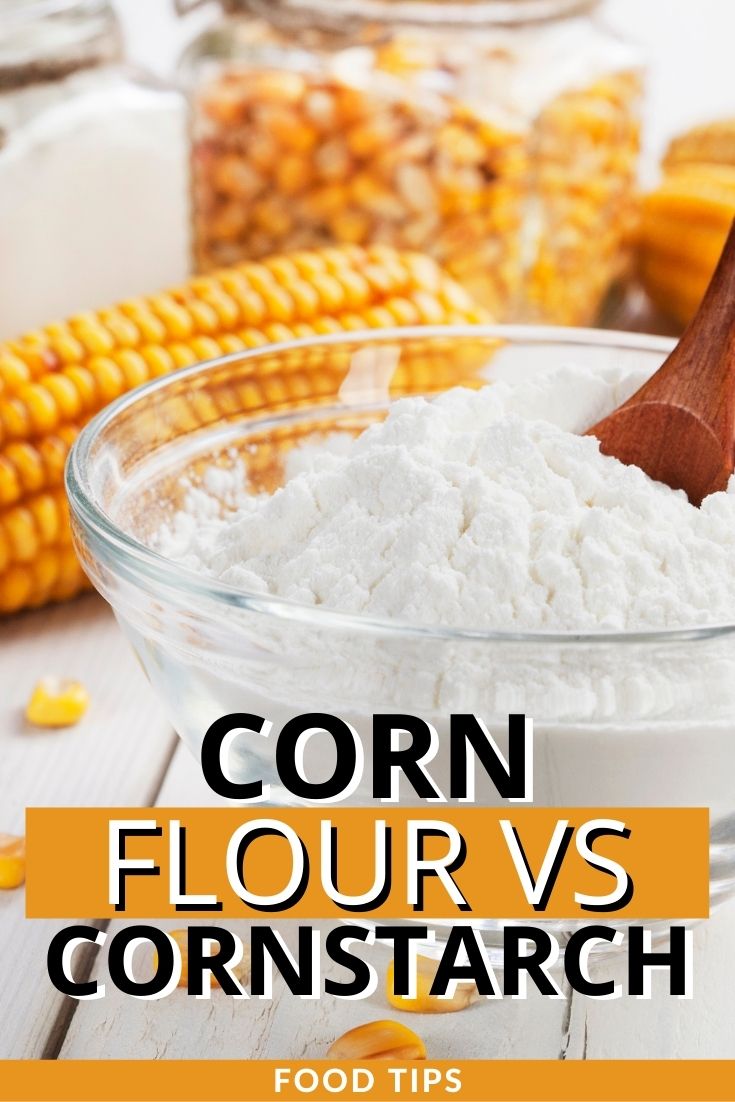
In addition to providing more fiber and protein, corn flour contains B vitamins, iron, potassium, magnesium, and several other nutrients ( 1 ). Cornstarch offers no B vitamins and much smaller.
CORNSTARCH VS FLOUR. What to use? Can I use cornstarch instead of flour? YouTube

First: you can't use cornstarch instead of flour at a 1:1 ratio. The cornstarch to flour ratio you'll want to stick with is close to 1:2, or half of the amount of flour your recipe calls for. Second, you'll want to cook things a bit differently. Flour starts to thicken at a lower temperature (126 F), but it needs to be cooked for much.
are cornstarch and cornflour the same

Cornstarch offers no B vitamins and much smaller amounts of other nutrients, compared with corn flour. Summary: Corn flour is made by finely grinding whole corn kernels, whereas cornstarch is made just from the starchy part of the corn. As a result, corn flour contains protein, fiber, starch, vitamins, and minerals, whereas cornstarch is mostly.
What's the difference between corn flour and corn starch The Times of India
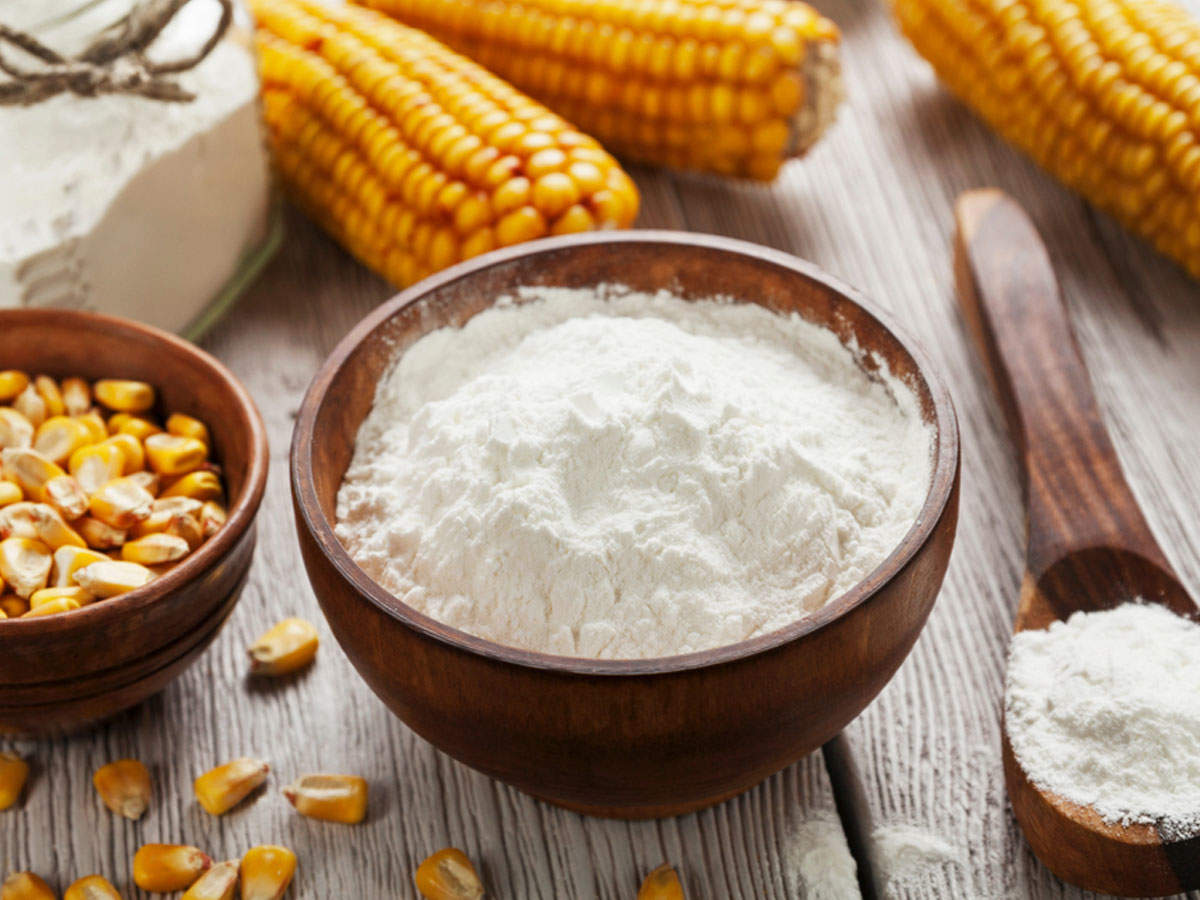
by Hasa. 4 min read. The main difference between cornflour and cornstarch is that cornflour contains nutrients like starch, protein, fibre, vitamins and minerals while cornstarch does not. Both cornflour and cornstarch come from corn, but they have different uses, flavours and nutrient profiles. Therefore, we cannot use these two ingredients.
.