
Mechanism of action of ipilimumab. Competitive inhibition of... Download Scientific Diagram

Mechanism of action of ipilimumab. Regulatory pathways that limit the immune response to cancer are becoming well characterised. Ipilimumab is a fully human monoclonal antibody that activates the body's immune system to fight melanoma by inhibiting the cytotoxic T lymphocyte-associated antigen 4 (CTLA-4) molecule [1,2].. CTLA-4 is a molecule on T-cells that plays a critical role in regulating.
Ipilimumab Anwendung, Wirkung, Nebenwirkungen Gelbe Liste
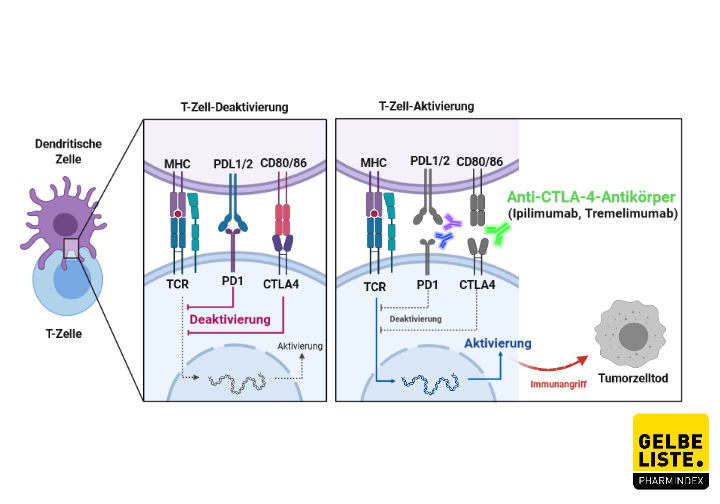
Pharmacodynamics. Ipilimumab is a human IgG1 that binds CTLA-4, preventing 1 T-cell inhibition signal pathway. 3 It has a long duration of action as it is given every 3 to 4 weeks. 5 Patients should be counselled regarding the risk of immune-mediated adverse effects, infusion related reactions, and embryo-fetal toxicity. 5 Mechanism of action. Cytotoxic T-lymphocyte antigen-4 (CTLA-4) is an.
Melanoma_Missionary How does Ipilimumab (Yervoy) work? Melanoma..Jim Breitfeller

On a translational level, the mechanism of action of CTLA4 continues to be explored. 15-18 There are some data that regulatory T cell depletion can occur via FcγRIIIA (CD16)-expressing, nonclassical monocytes resulting in antibody-dependent cell cytotoxicity-mediated lysis of regulatory T cells, which express high levels of CTLA4, 19 although there is disagreement about this finding. 20 In.
Mechanism of ipilimumab action. (A) Identical residues between CTLA4... Download Scientific

MECHANISM OF ACTION: Ipilimumab is a recombinant, fully human monoclonal antibody that binds to and blocks human cytotoxic T lymphocyte-associated antigen 4 (CTLA-4). Blocking CTLA-4 results in T-cell activation, proliferation, and lymphocyte infiltration into organ tissues and tumours, which leads to tumour cell death. Ipilimumab is an immune-
Binding profiles of ipilimumabscFv/CTLA4 and tremelimumabscFv/CTLA4... Download Scientific

More than 17,000 patients worldwide have received ipilimumab, either as a commercial drug at 3 mg/kg or in clinical trials and expanded access programs at different doses. Consistent with its proposed mechanism of action, the most common toxicities associated with ipilimumab therapy are inflammatory in nature.
Potential mechanism of enhanced ipilimumab activity with radiotherapy.... Download Scientific

This Perspective on cancer immunotherapy marks the tenth anniversary of the approval of the first immune checkpoint blockade (ICB) drug, ipilimumab, revisiting the history of the discovery.
Ipilimumab in patients with cancer and the management of dermatologic adverse events Journal

More than 17,000 patients worldwide have received ipilimumab, either as a commercial drug at 3 mg/kg or in clinical trials and expanded access programs at different doses. Consistent with its proposed mechanism of action, the most common toxicities associated with ipilimumab therapy are inflammatory in nature.
Graphic illustration of the mechanism of action of Ipilimumab,... Download Scientific Diagram

Ipilimumab is a type of targeted therapy drug called an immune checkpoint inhibitor (a type of immunotherapy). It is a monoclonal antibody that binds to the protein CTLA-4 on immune cells called T cells. It works by keeping cancer cells from suppressing the immune system. This allows the immune system to attack and kill the cancer cells.
How Does an AntiCTLA4 Antibody Promote Cancer Immunity? Trends in Immunology

Ipilimumab is a medication used in the management and treatment of metastatic melanoma. It is in the CTLA-4 monoclonal antibody class of drugs. This activity illustrates the indications, action, and contraindications for Ipilimumab as a valuable agent in managing metastatic melanoma and several other tumors. This activity will highlight the mechanism of action, adverse event profile, and other.
The CTLA4 signaling pathway in T cell activation. Abatacept mimics... Download Scientific Diagram

Ipilimumab, sold under the brand name Yervoy, is a monoclonal antibody medication that works to activate the immune system by targeting CTLA-4, a protein receptor that downregulates the immune system.. Mechanism of action. T lymphocytes can recognize and destroy cancer cells. However, an inhibitory mechanism interrupts this destruction.
Efficacy of ipilimumab for melanoma brain metastases patients Download Table

Figure 7.1. Mechanism of action of ipilimumab: intrinsic mechanism: (A) recruitment of inhibitory proteins to T cell synapsis; (B) nonligand binding CTLA-4 splice variant; (C) ligand competition prevents CD28 signal; (D) inhibition of T cell stop signal; (E) inhibition of lipid-raft and microcluster formation.
Frontiers CTLA4 And PD1 Control Of TCell Motility And, 44 OFF
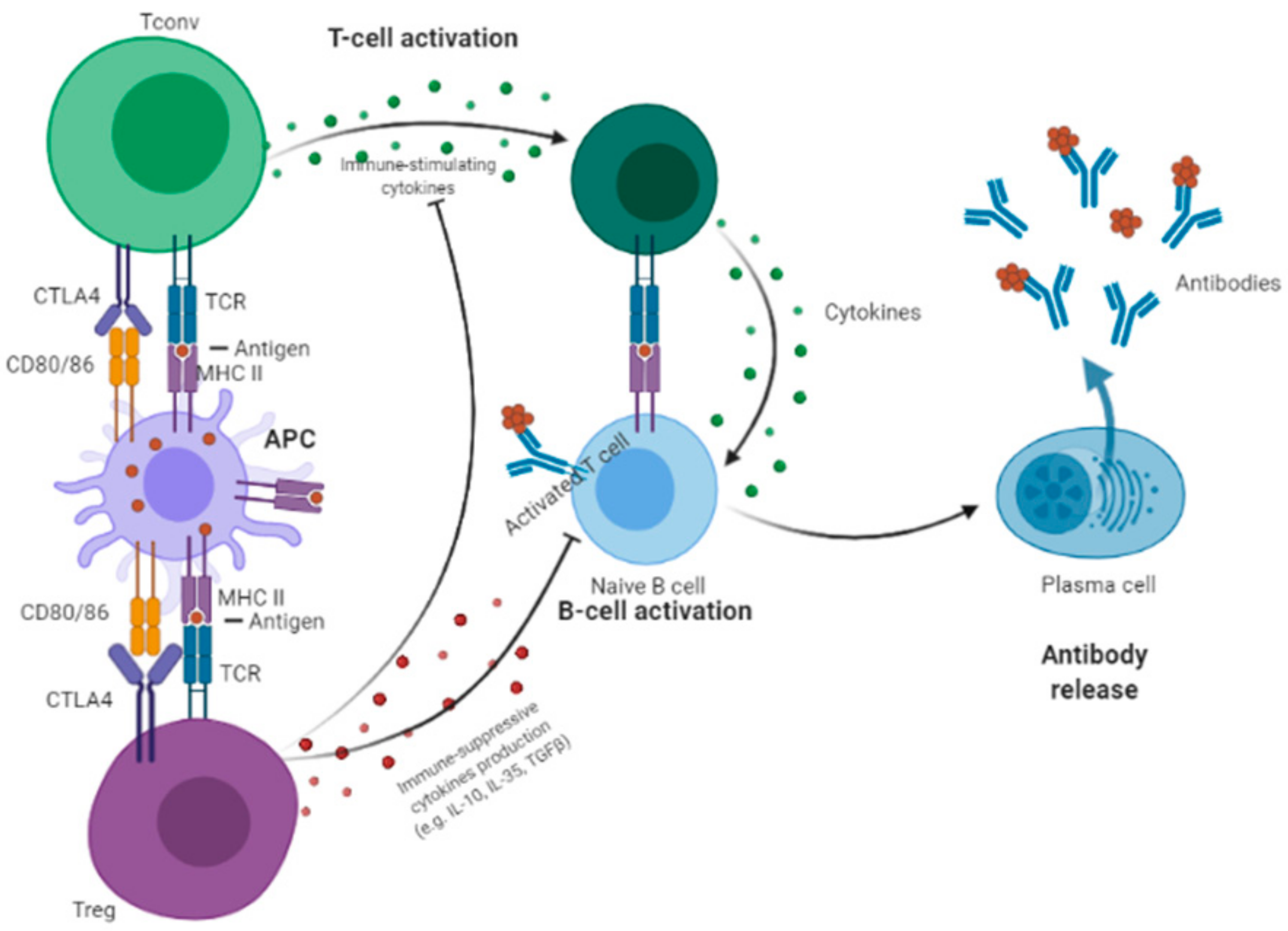
Mechanism of Action. Ipilimumab is a recombinant human IgG1 immunoglobulin monoclonal antibody that binds to the cytotoxic T-lymphocyte associated antigen 4 (CTLA-4). CTLA-4 is a down-regulator of T-cell activation pathways. Blocking CTLA-4 allows for enhanced T-cell activation and proliferation. In melanoma, ipilimumab may indirectly mediate T.
Imunoterapia cu nivolumab și ipilimumab, mai eficientă decât chimioterapia contra cancerului
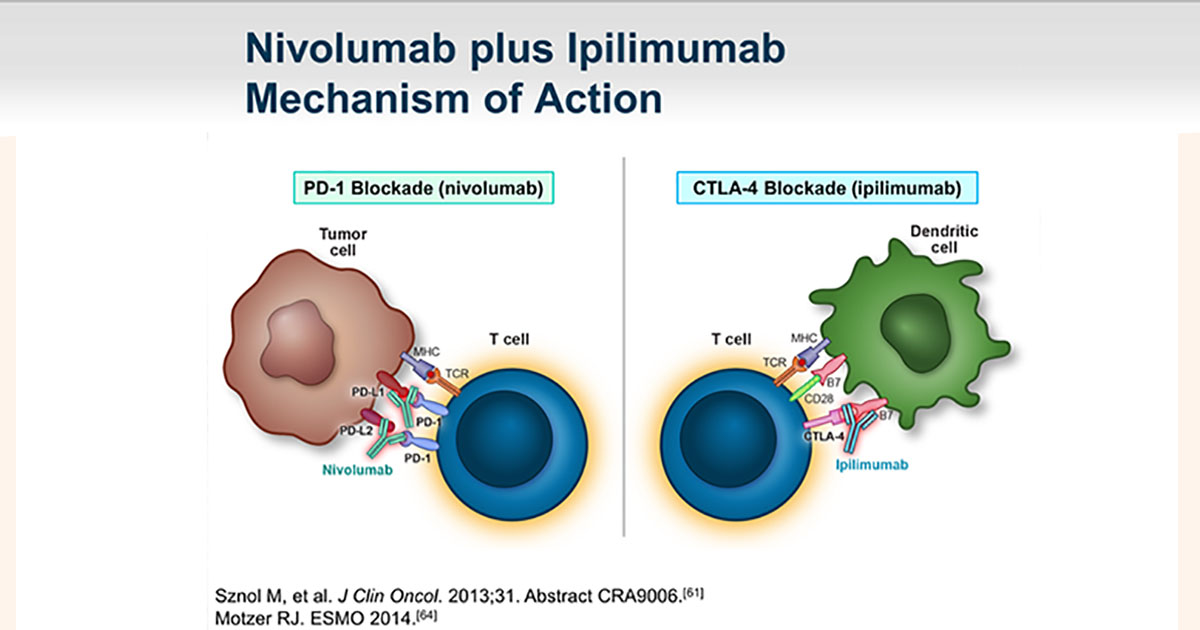
The mechanism of action of ipilimumab is expected to be indirect, through modulation of T-cell mediated anti-tumor immune responses . Ipilimumab is an IgG1, fully human monoclonal antibody against CTLA-4, which is known to negatively regulate the activation of T-cells [20, 45].
Ipilimumab augments antitumor activity of bispecific antibodyarmed T cells Journal of
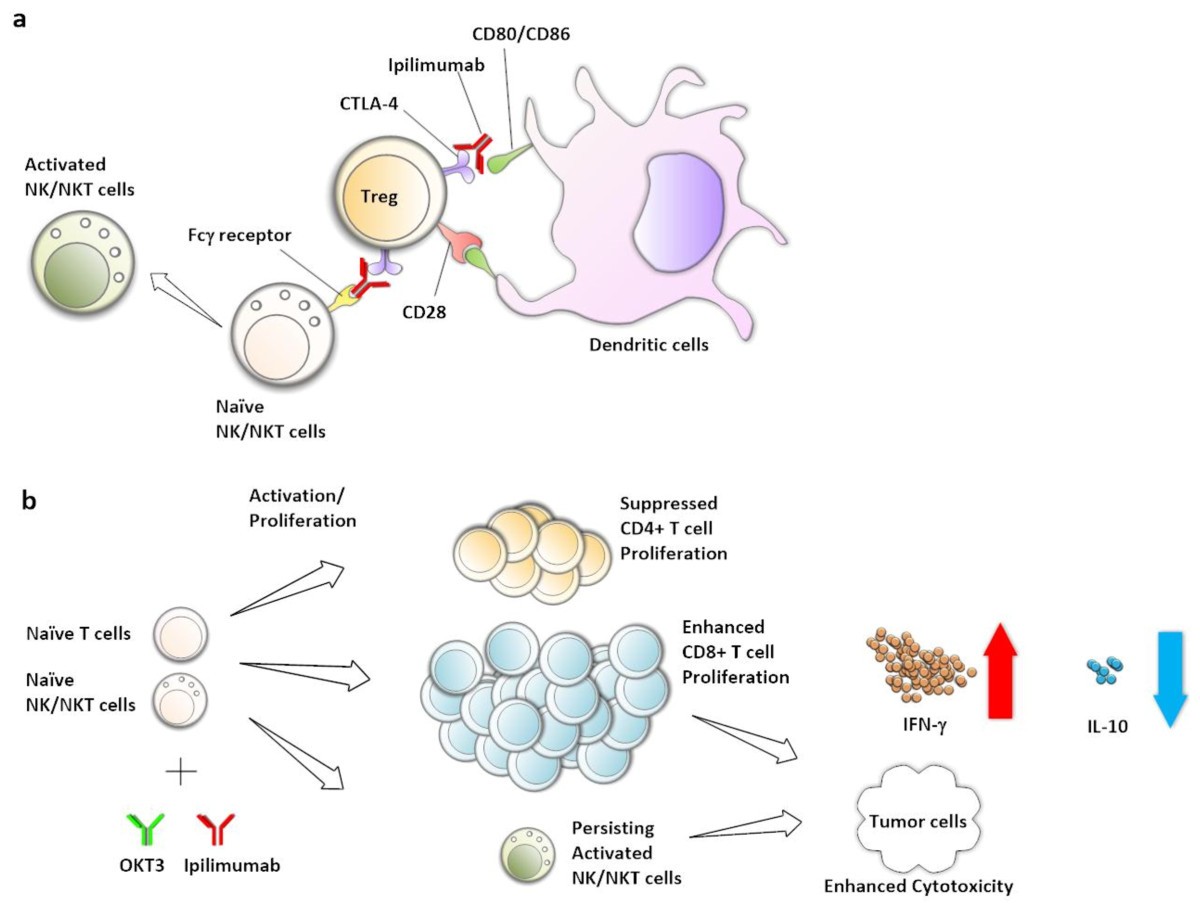
Thus, although it provides a clear survival benefit, ipilimumab administration requires careful patient monitoring and sometimes necessitates treatment with immune-suppressive therapy. Here, we review the mechanism of action, preclinical data, and multiple clinical trials that led to FDA approval of ipilimumab for metastatic melanoma.
Schematic representation of mechanism of action of nivolumab and... Download Scientific Diagram

• Mechanism of action. Ipilimumab is a recombinant, human monoclonal antibody that binds to the CTLA-4. CTLA-4 is a critical negative checkpoint molecule that controls the activation and proliferation of T cells. In order to understand ipilimumab's mechanism of action, it is important to first understand the mechanism of T-cell activation..
Immunotherapy mechanism of action. PD1 is expressed on activated T... Download Scientific Diagram

Mechanism of Action. Full T-cell activation requires two signals. 16,21 The first is initiated by T-cell receptor binding to TAAs presented by antigen presenting cells (APCs) via major histocompatibility complexes I and II. The second signal is generated when the principal costimulatory receptor on the T cell, CD28, binds to B7 ligand subtypes CD80 and CD86 on the APC.
.