
Cavite City, Philippines Culture, Filipino Culture, Dance Images, Dance Movement, Traditional

Philippine folk dances are an integral part of the country's cultural heritage. These dances represent the history and identity of the Filipino people. Each folk dance tells a unique story and mesmerizes audiences with its colorful costumes, rhythmic movements, and traditional music. By exploring and preserving these folk dances, we can.
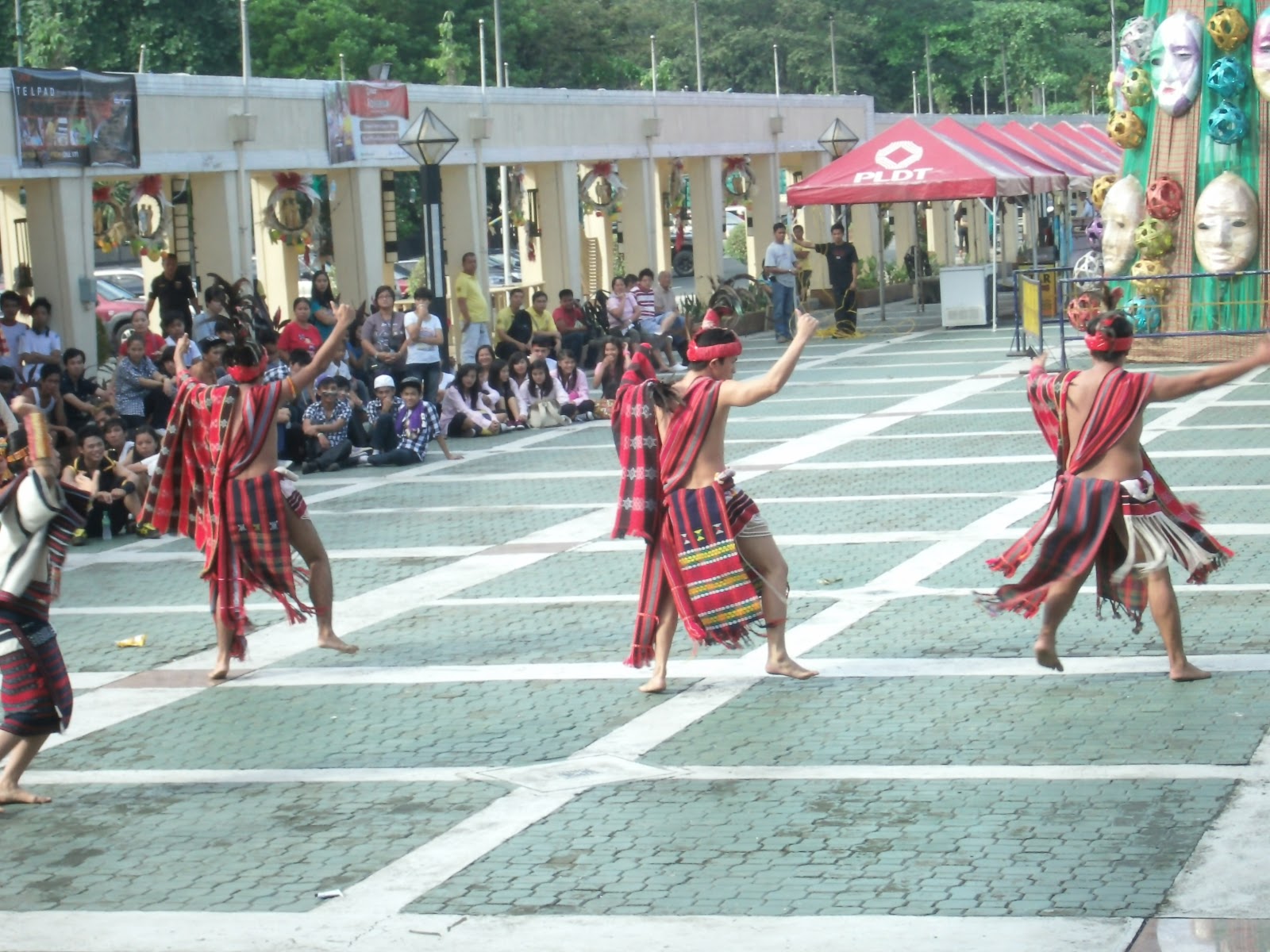
Igorot dance Filipino fashion, Filipino culture, Asian outfits

These dances serve as a window into the history, beliefs, and values of the Filipino people. In this article, we will embark on a journey to discover the captivating world of different folk dances in the Philippines. 1. Tinikling - Philippine Folk Dance. 2. Pandanggo sa Ilaw - Philippine Folk Dance. 3.
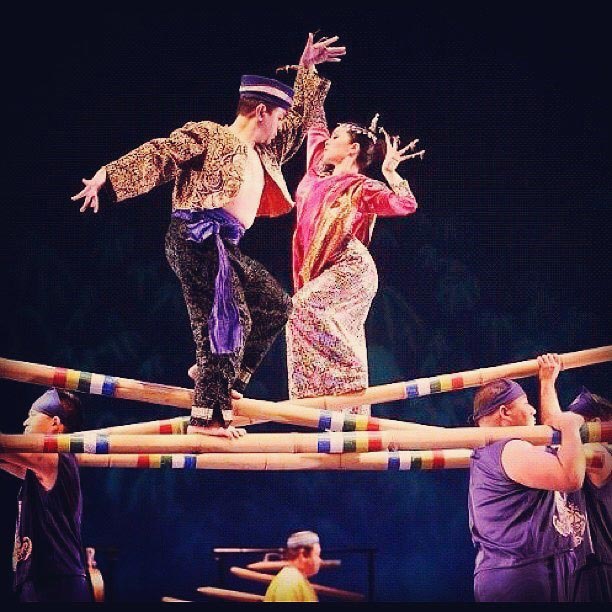
Tinikling The National Dance of The Philippines with Bamboo Poles

1. Tinikling. The Tinikling dance, hailed as the national dance of the Philippines, is a cultural emblem originating from the Leyte province.This captivating folk dance encapsulates the Filipino's ingenious interaction with the natural landscape, echoing the nimble agility of tikling birds evading capture amidst the rice fields.
Filipino Folk Dance Steps LoveToKnow
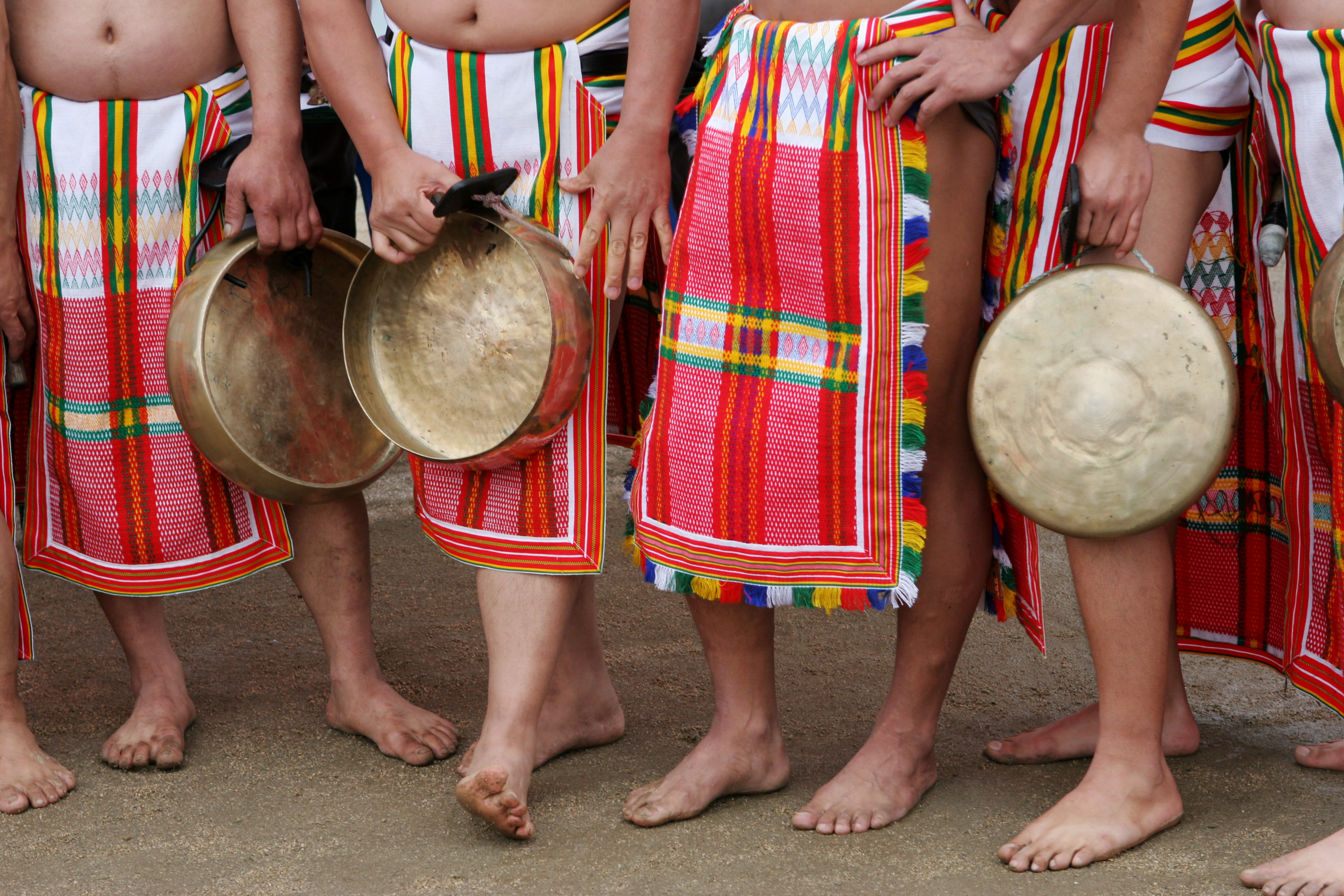
The tinikling, a traditional Philippine folk dance with sticks or bamboo, is probably the most recognizable in this list. Dancers showcase slick footwork and perfect timing to avoid clashes with the bamboo sticks. The rhythmic pattern of the poles echoes the playful origin of the dance, inspired by the movements of the tikling bird.
15 Most Popular Philippine Folk Dances Out of Town Blog

Latest Announcement. The Cultural Center of the Philippines aims to democratize the access and distribution of folk and indigenous knowledge to as many dance practitioners and enthusiasts as possible. We have moved forward by the recent publication of INDAK TAYO: Dances of the Philippine Islands, which includes the notated dances from our.
7 Easiest Filipino Folk Dances With Steps Insider Monkey
1. Tinikling. Ah, Tinikling! This is probably the most popular folk dance in the Philippines. I think every Filipino student had the chance to perform the Tinikling dance at least once in their lives, especially during Buwan ng Wika (Filipino Language Month). The dance originated from the province of Leyte, a Visayan Island.
What Is The History Of Folk Dance In Philippines The Best Picture History
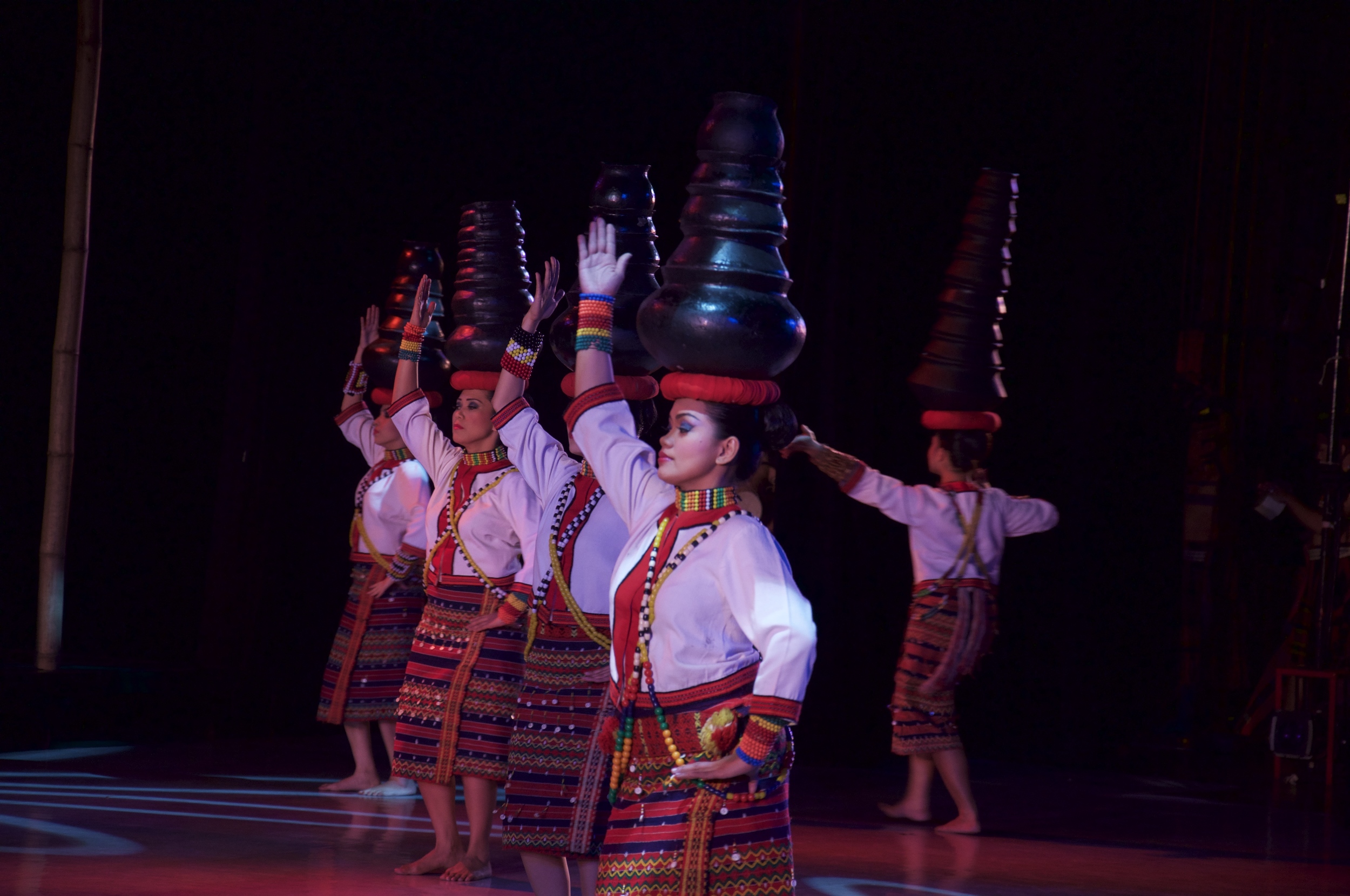
Philippine traditional dances are an important part of the country's culture. These dances are often steeped in history and meaning, and provide a glimpse into the diverse culture of the Philippines. This is part one of the series, stay tuned when we update our posts for the next 10 dances! Share this: Tweet; Reddit;
Filipino Culture, Banga Dance Traditional Dance of Philippines YouTube

Here are the 15 of the most popular folk dances in the Philippines; 1. Tinikling. Tinikling photo By U.S. Air Force/ Senior Airman Nestor Cruz - Public Domain, cc. Tinikling is perhaps the most popular folk dance in the Philippines, whose roots originate from Leyte's province.
Singkil Dance Singkil Dance Philippine Dances Philippines culture, Philippines dress

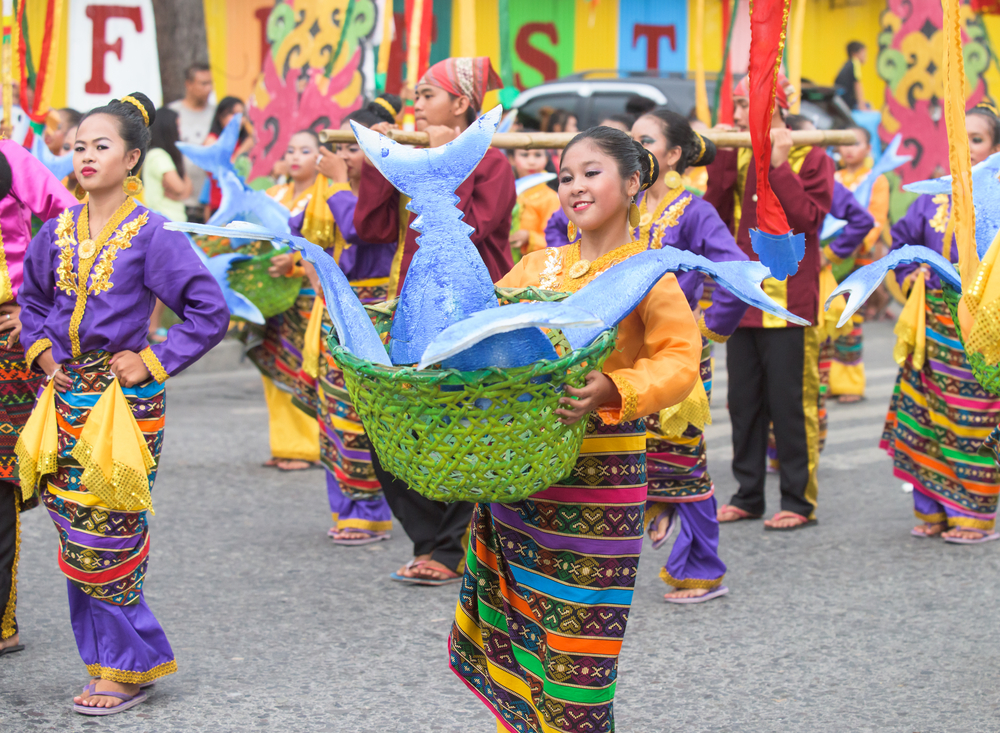
Tahing Baila is a Yakan dance, a low land tribal Philippine folk dance, in which it tries to imitate movements of fish. Pangsak Basilan Yakan From the highlands of Mindanao, is a Musim ethnic group called the Yakan. They are known to wear body-hugging elaborately woven costumes. One of their popular dances, called Pangsak, involves a man and.
i heart manila traditional filipino folk dance binasuan
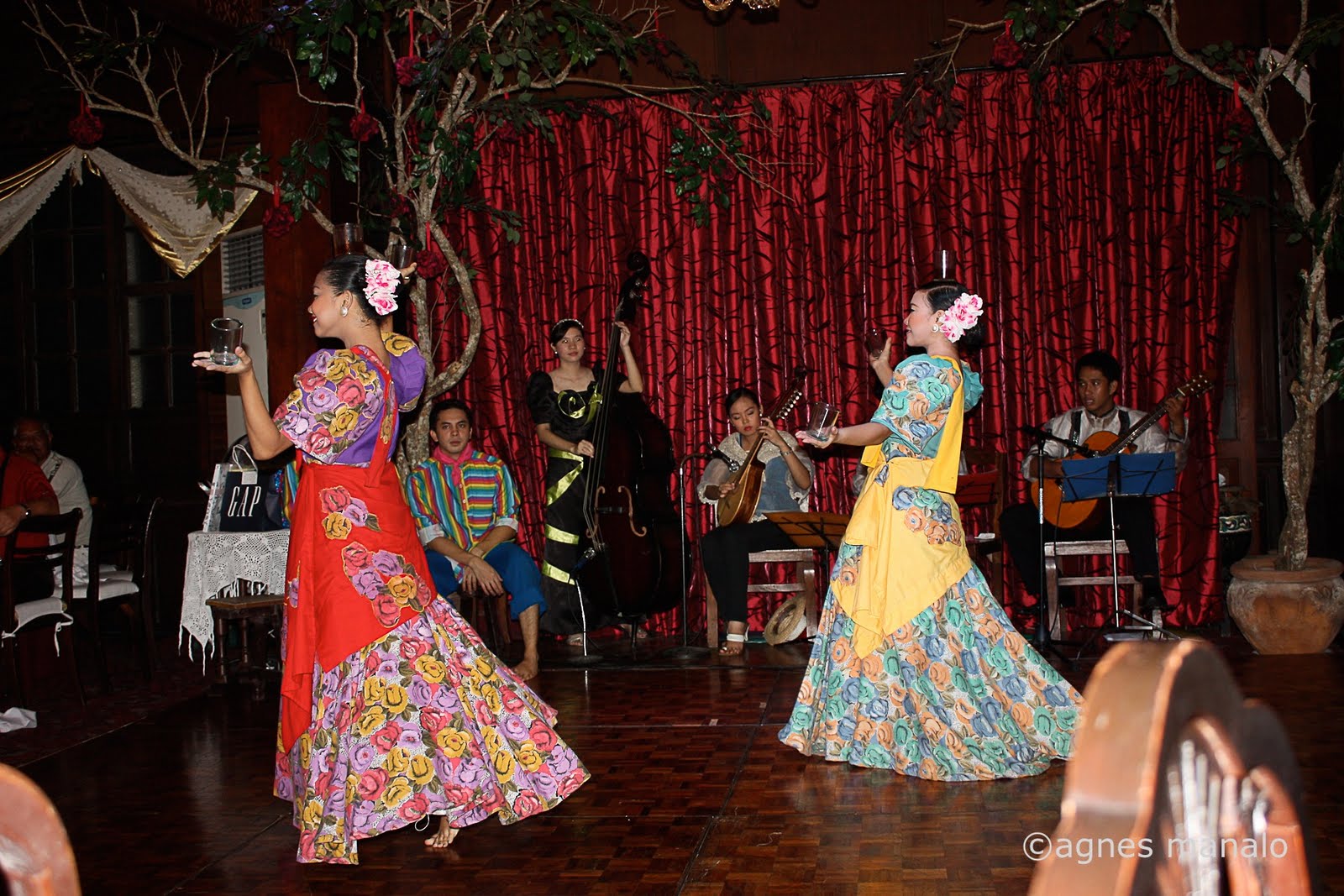
Published January 14, 2018. Thinkstock. The history of Philippine folk dancing incorporates influences from immigrants and conquerors while at the same time maintaining distinctly Filipino roots. Philippine folk dancing is a true reflection of daily life in past centuries while enchanting modern audiences at the same time.
THE BEAUTY AND GRACE OF PHILIPPINE FOLK DANCE
This dance not only showcases the beauty and grace of the performers, but also serves as a powerful reminder of the rich cultural heritage of the Philippines. The symbolism of candle lights in traditional dances like the Pandanggo Sa Ilaw is a testament to the enduring spirit and traditions of the Filipino people. Traditional Music Accompaniment
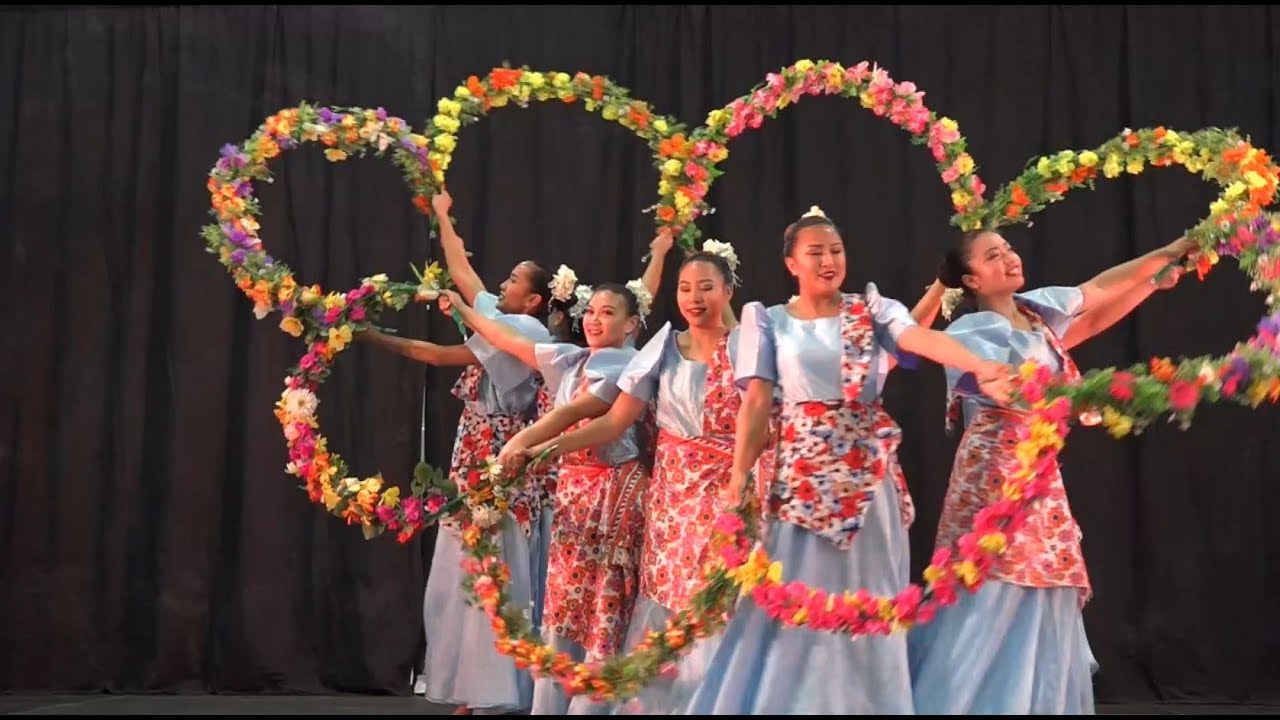
Bulaklakan/Dance of Floral Garlands Philippine Traditional Cultural/Rural/Folk Dance
Luzon, the largest and most populous island in the Philippines, is a melting pot of folk dances that resonate with cultural diversity. One of the most famous dance forms is the Tinikling, believed to have originated during the Spanish colonial era. In this dance, performers nimbly skip over clashing bamboo poles, mimicking the 'tikling.
Tausug Pangalay dance Philippines Filipino culture, Philippines culture, Folk dance

January 27, 2024. You may not be aware that Philippine folk dances encompass a myriad of traditions and movements, each reflecting the unique cultural heritage of the country's diverse ethnic groups. From the high-energy and intricate footwork of the Tinikling dance to the graceful and fluid motions of the Pangalay dance, these traditional.
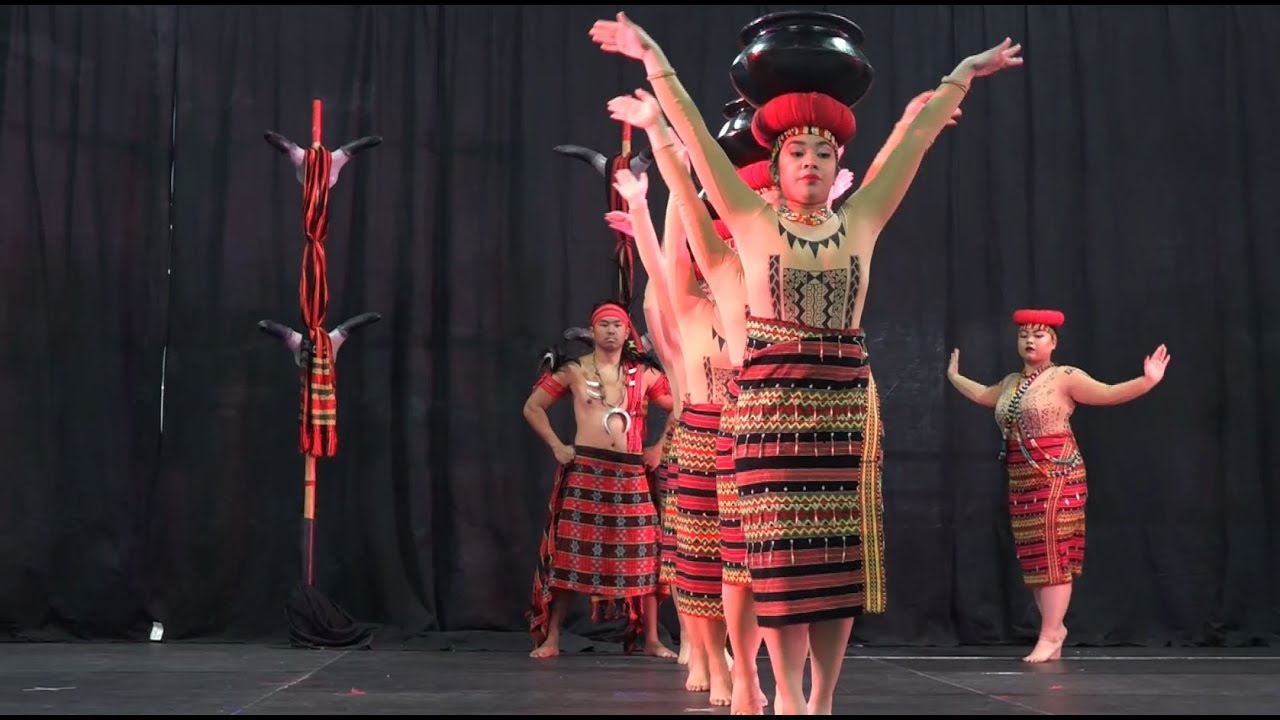
BangaSalidsid Philippine Traditional Cultural Dance/Folk Dance/Carassauga 2017, Toronto
Folk Dance in the Philippines is a vibrant expression of the country's diverse cultural heritage, blending indigenous, Spanish, and American influences. Each region offers unique dances like the lively Tinikling and the elegant Singkil, showcasing colorful costumes, rhythmic movements, and traditional music. These dances are more than artistic expressions; they are integral to storytelling.
National Artist Of The Philippines For Dance Red Carpets

March 27, 2023. Events. The beauty of Philippine folk dance lies in its rich cultural heritage, diverse styles, and unique traditions. From the lively and energetic Tinikling to the graceful and fluid Cariñosa, each dance tells a story and reflects the country's history and way of life. Experience the Philippines through its vibrant folk dances.
LIKHA 25 Years of Promoting Philippine Dance and Culture — Positively Filipino Online
The fusion of Spanish court choreography and local dance styles resulted in the birth of captivating dances such as "Tinikling," "Singkil," "Cariñosa," and "Pandanggo sa Ilaw.". Throughout history, the evolution of Philippine Folk Dance reflects the diverse cultural influences that have shaped the country's identity.
.