
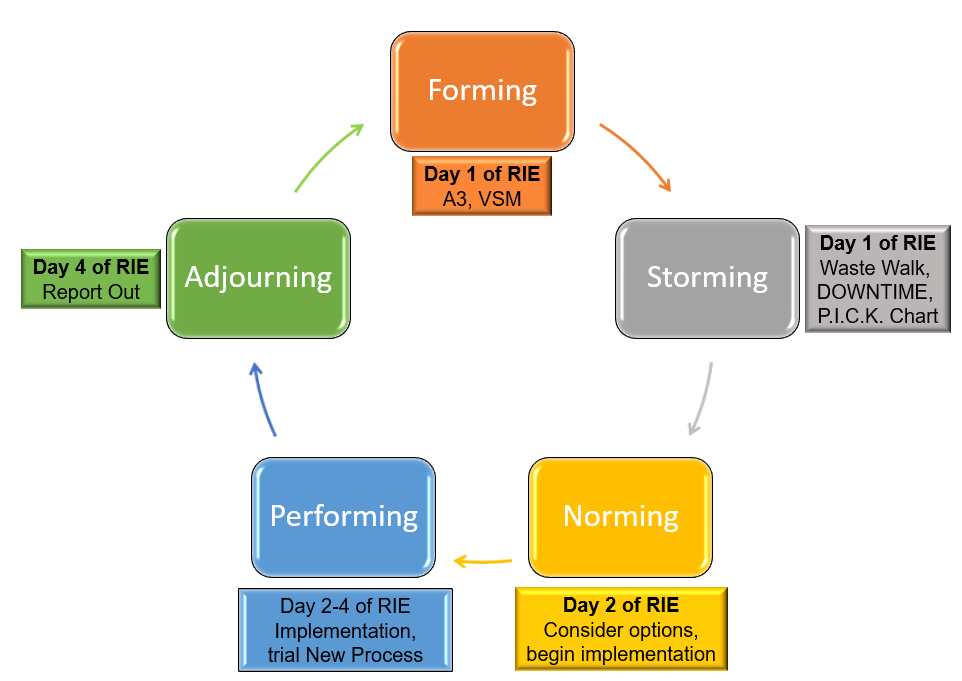
Four Stages of Team Development American Lean Consulting
PAD occurs when plaque builds up in the arteries of the leg and restricts the natural flow of blood. Because the arteries have narrowed, the body experiences difficulty getting enough blood, oxygen, and other nutrients to the muscles. There are four designated classifications, or stages, of PAD: Asymptomatic. Claudication. Critical limb ischemia.
ConnectWithDon Thoughts The Four Stages of Life Life, Gerontology, Aging

Patients with peripheral arterial disease (PAD) have decreased lower extremity arterial perfusion which is commonly referred to as "poor circulation." In most cases of PAD, atherosclerotic plaques narrow the arterial flow lumen which restricts blood flow to the distal extremity. Reduced blood flow can cause thigh or calf pain with walking due to temporary ischemia of the leg muscles during.
How to recognise the signs of PAD?

Stage 1: Asymptomatic PAD. Asymptomatic peripheral artery disease is the first of the four stages, and as you can tell from the name, it does not have any symptoms at all. At this point, any occlusion of the peripheral arteries is minor, and blood flows well to the extremities. However, this does represent the beginnings of a more significant.
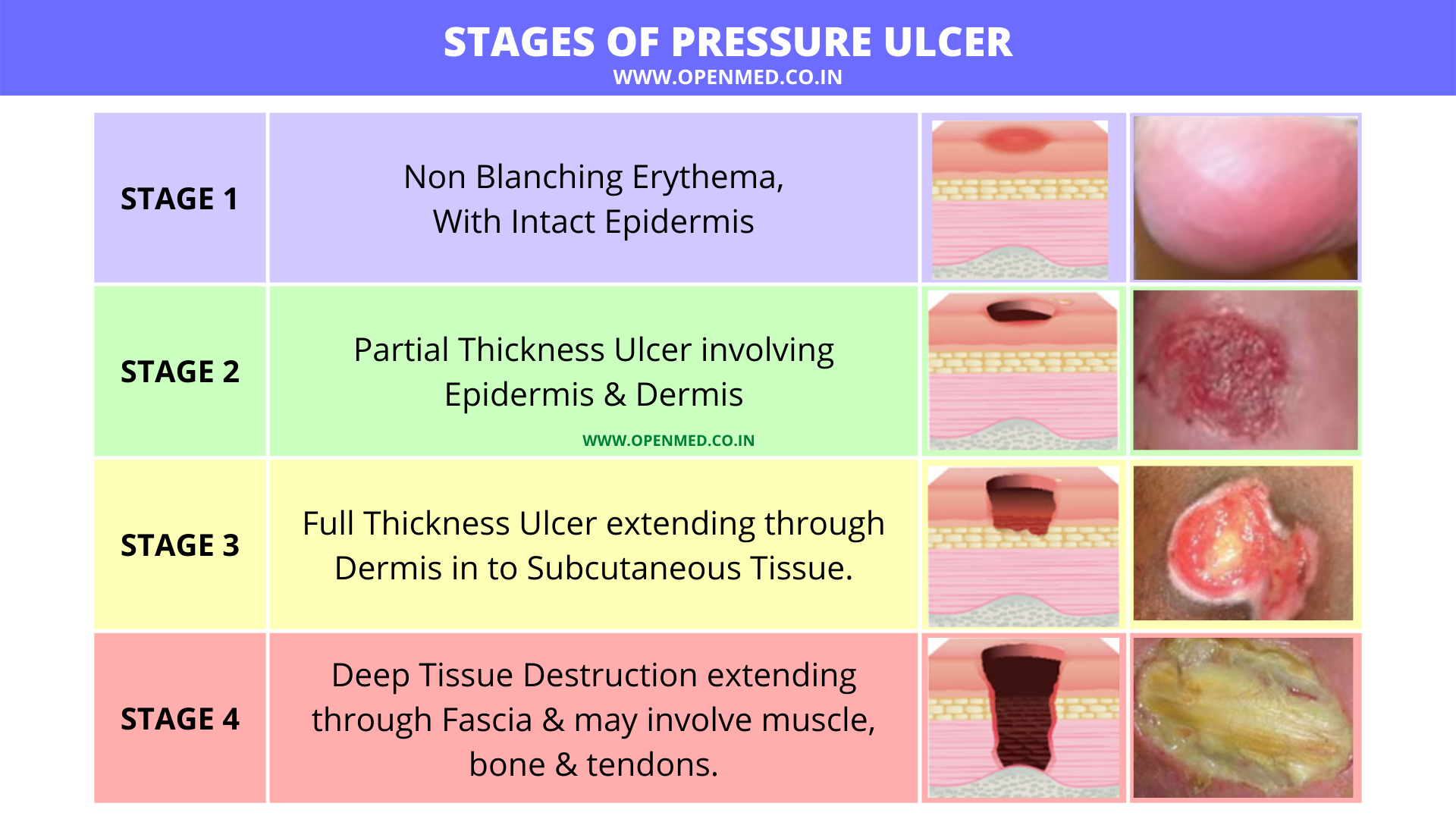
STAGES OF PRESSURE ULCER
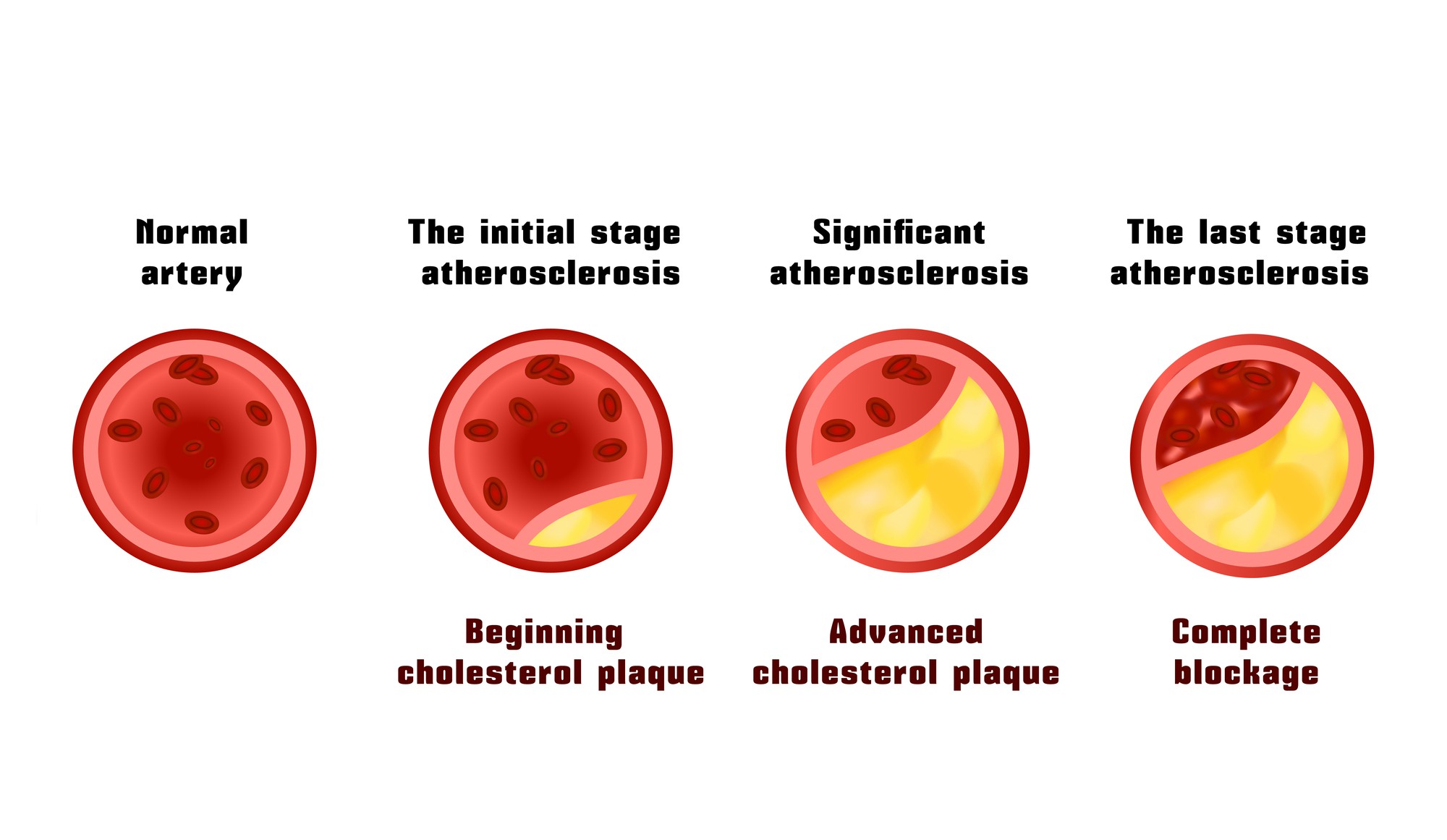
There are four common stages in the development of PAD: Stage 1: Artery narrowing. The arteries begin getting narrower but with no other symptoms. PAD develops gradually and can remain unnoticed for long periods. In many cases, it only causes symptoms in the elderly. However, the rate at which the disease develops can vary significantly.
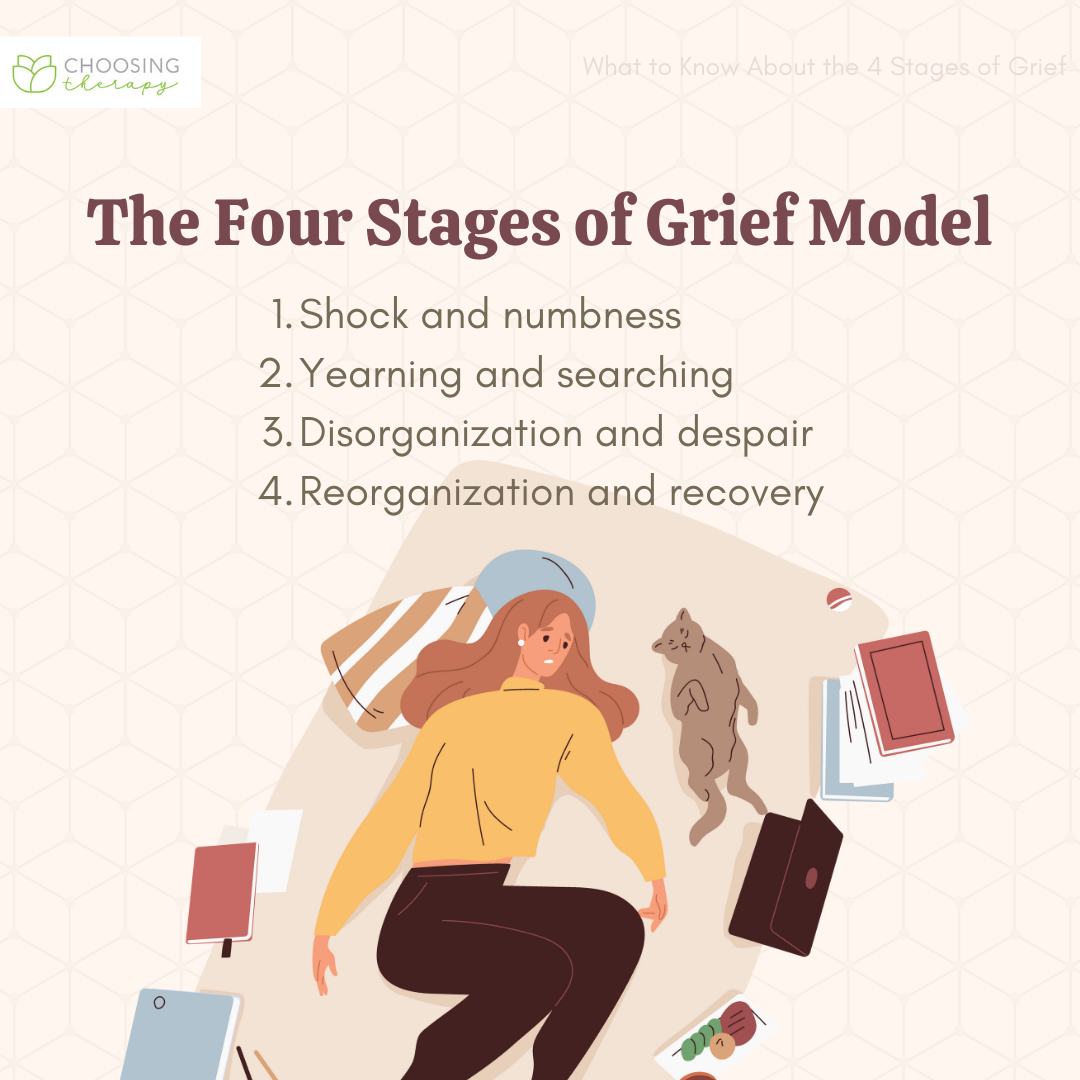
What Are the Four Stages of Grief?
This may cause leg pain when walking (claudication) and other symptoms. Peripheral artery disease is usually a sign of a buildup of fatty deposits in the arteries (atherosclerosis). Atherosclerosis causes narrowing of the arteries that can reduce blood flow in the legs and, sometimes, the arms. Peripheral artery disease treatment includes.
What Is Arterial Plaque? PAD Treatment Centers USA Vascular Centers
The most common symptom of lower-extremity peripheral artery disease, or PAD, is painful muscle cramping in the hips, thighs or calves when walking, climbing stairs or exercising. The pain of PAD often goes away when you stop exercising, although this may take a few minutes. Working muscles need more blood flow.
Prevention and Treatment of PAD American Heart Association
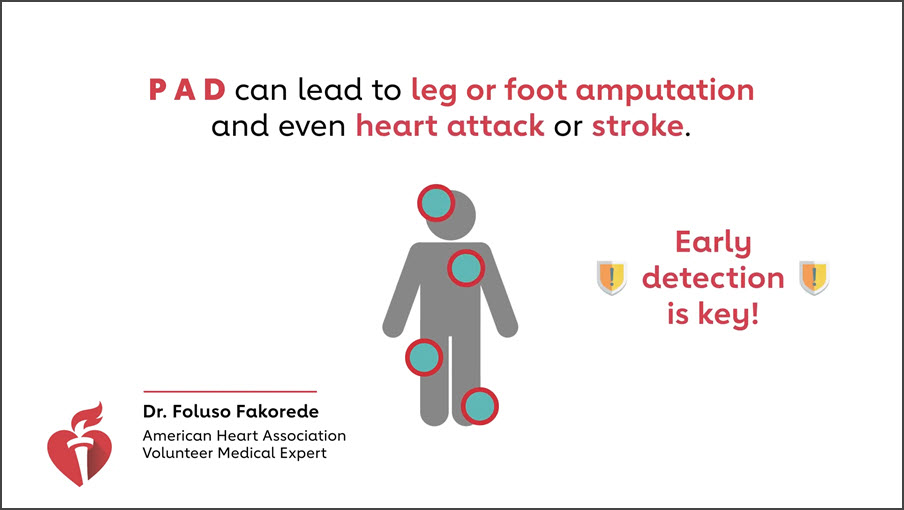
Stage 4: Acute Limb Ischemia. Acute Limb Ischemia (ALI)is a serious medical emergency and needs to be addressed as soon as possible. This complication of PAD can be seen as something similar to a heart attack or stroke. When PAD worsens enough to lead to ALI, blood flow to the limbs suddenly decreases, causing severe pain and tissue damage.
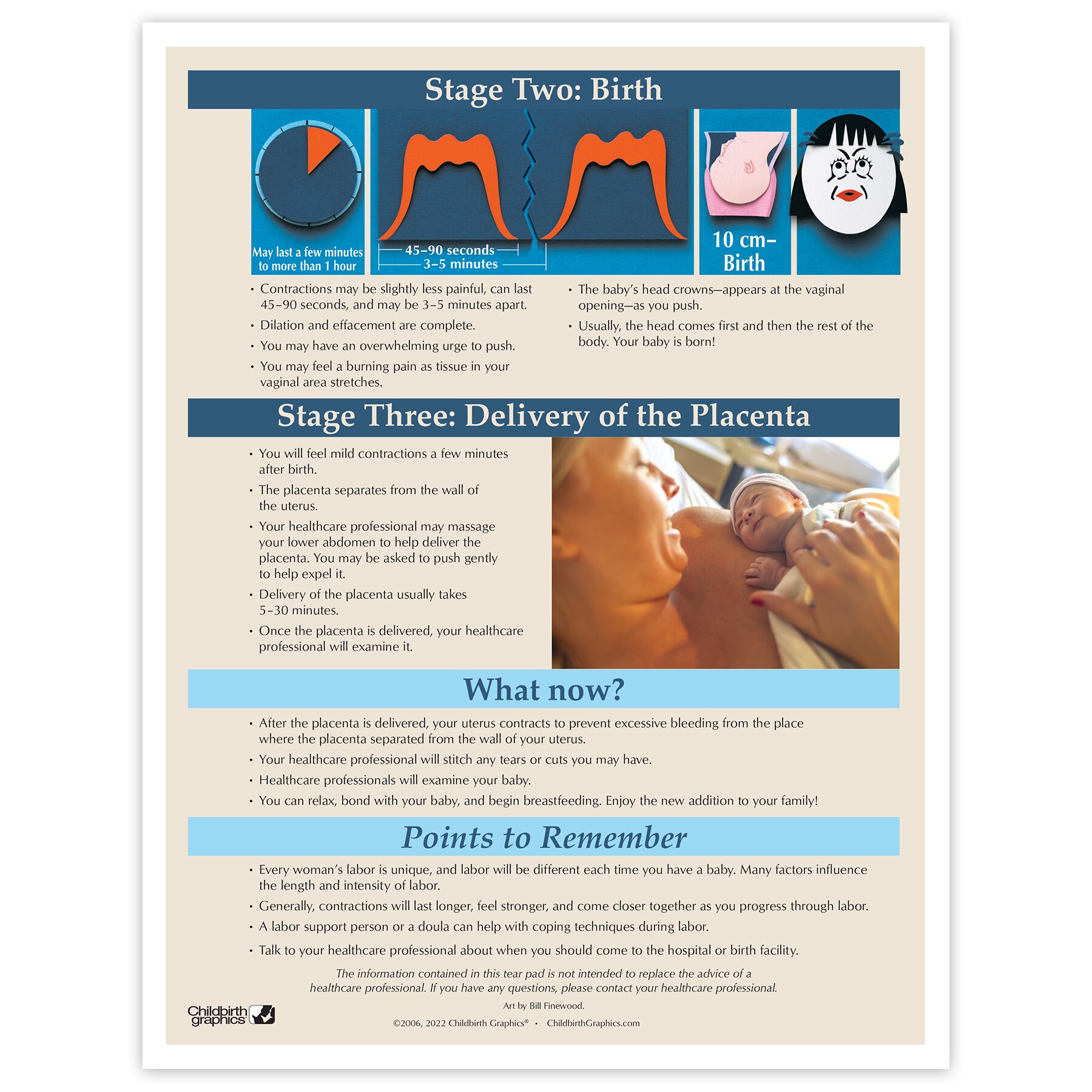
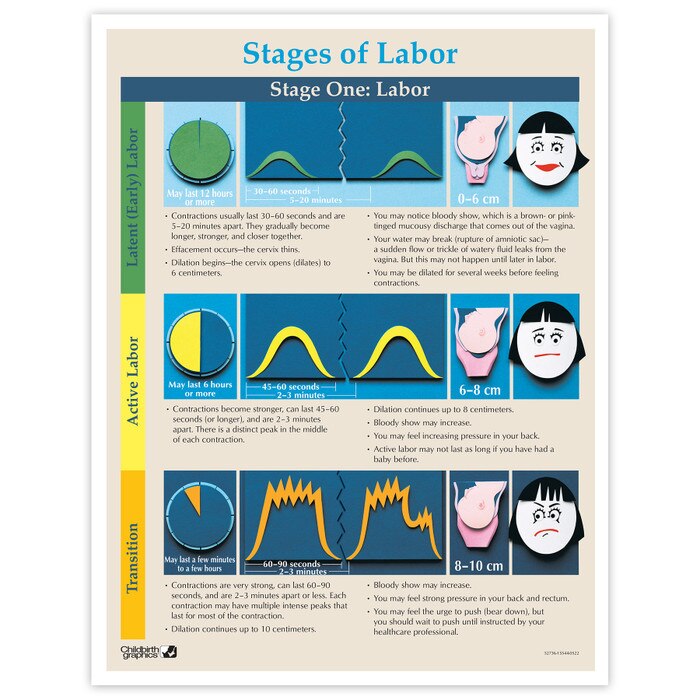
Stages Of Labor Educational Tear Pad Childbirth Graphics
2. Introduction on Topic. Peripheral arterial disease (PAD) is one of the clinical types of atherosclerotic diseases. For this reason, particular attention should be given to its frequent diagnosis in elderly individuals, with particular prevalence of PAD-affected patients in socially and economically advanced countries [1,2].PAD is often under-diagnosed, although we are in possession of non.
What You Need to Know About Pads to Help Your Daughter Feel Empowered About Her Period

Stage Four: Acute Limb Ischemia. The final stage of peripheral arterial disease is acute limb ischemia (ALI), which is a serious medical emergency and needs immediate attention. When the PAD condition becomes so severe that it leads to ALI, blood flow to the limbs can suddenly decrease, causing severe pain, tingling, loss of pulse, coldness.
Stages of Treatment Dbt, Dialectical behavior therapy, Dbt skills

Understanding the Progression of Artery Disease (PAD) Stages. Acute limb ischemia. Progression. Early symptoms. Treatment. Takeaway. PAD typically onsets with no noticeable symptoms. Over time, it.
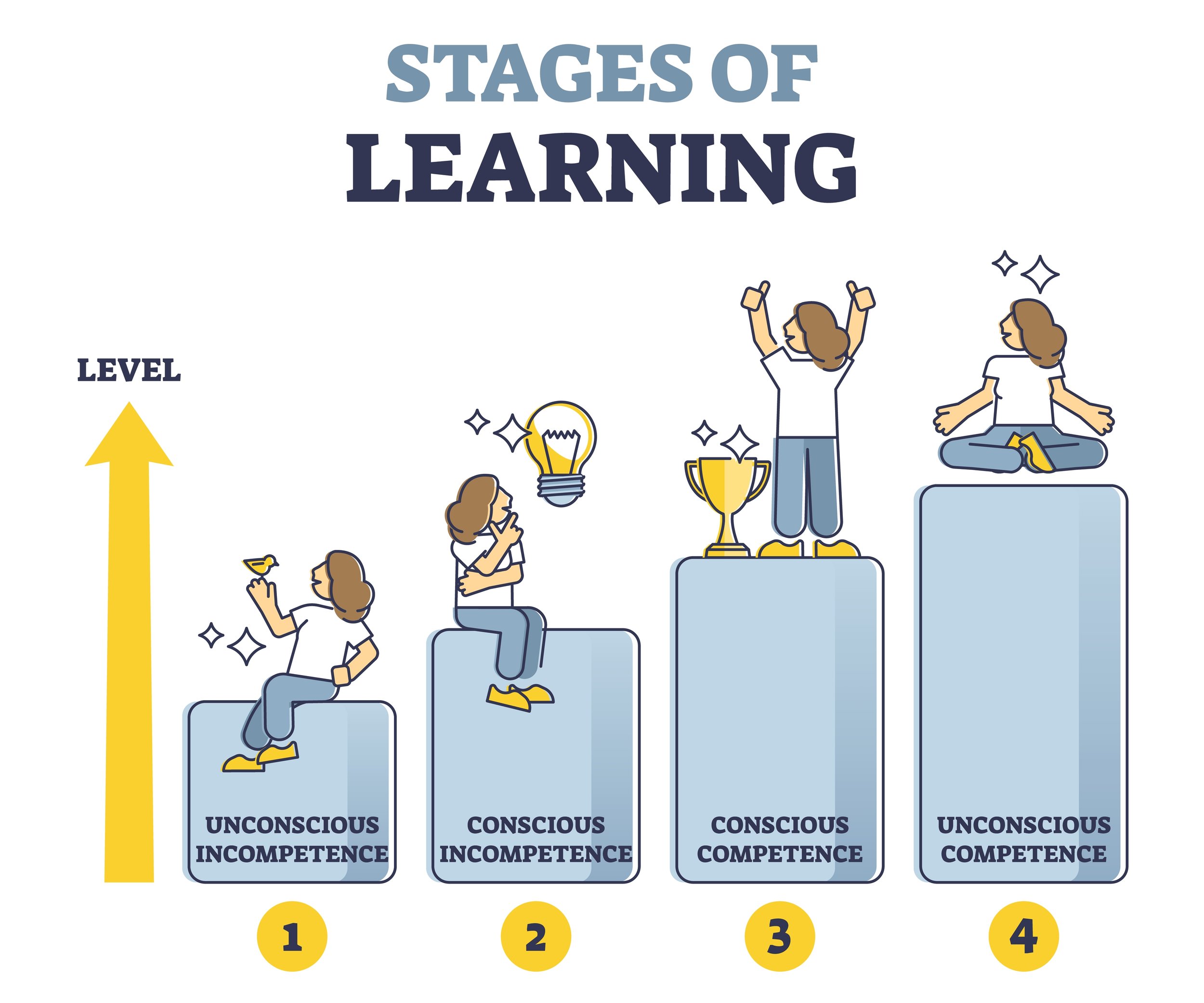
The 4 Stages of Learning — Mr Deniz Ates Boxing Training
PAD is a form of cardiovascular disease (CVD) because it affects the blood vessels. It's usually caused by a build-up of fatty deposits in the walls of the leg arteries. The fatty deposits (atheroma) are made up of cholesterol and other waste substances. The build-up of fatty deposits on the walls of the arteries makes the arteries narrower and.
Stages Of Labor Educational Tear Pad Childbirth Graphics
4 Stages of PAD: Peripheral artery disease, or peripheral arterial disease, is a condition that occurs when the arteries that supply blood to the legs and feet become narrow or experience blockage. This can lead to a decrease in blood flow and oxygen to the legs and feet, which can cause pain, numbness, cramping, and other symptoms..
What You Need To Do If You Suspect Intermittent Claudication Physiospot Physiotherapy and
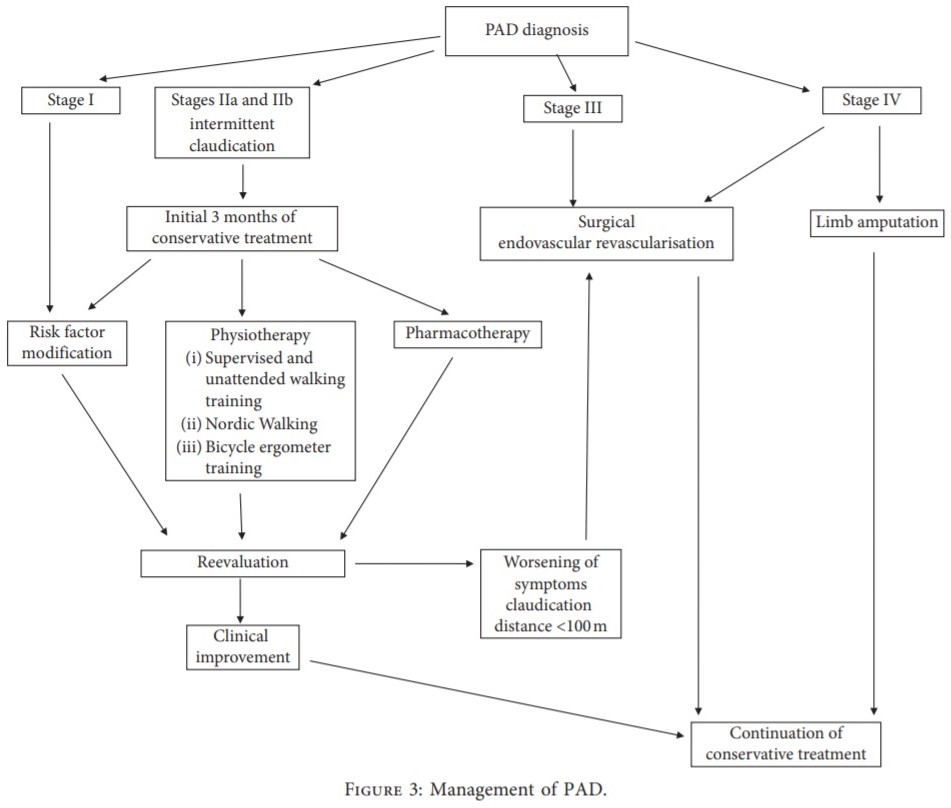
Peripheral artery disease (PAD), also known as peripheral arterial disease, is a condition in which the arteries that supply blood to the legs or, less frequently, the arms become narrowed or blocked, resulting in reduced blood flow.It's most commonly caused by atherosclerosis, a disease in which plaque builds up on the inner walls of arteries, causing them to narrow and harden, thereby.
[Press Release] Dassault Systèmes Enables PadCare Labs to Design and Develop the World's First

Discover the stages of peripheral artery disease (PAD), from initial symptoms to advanced complications, in this concise overview.
Correct sanitary napkins Telegraph
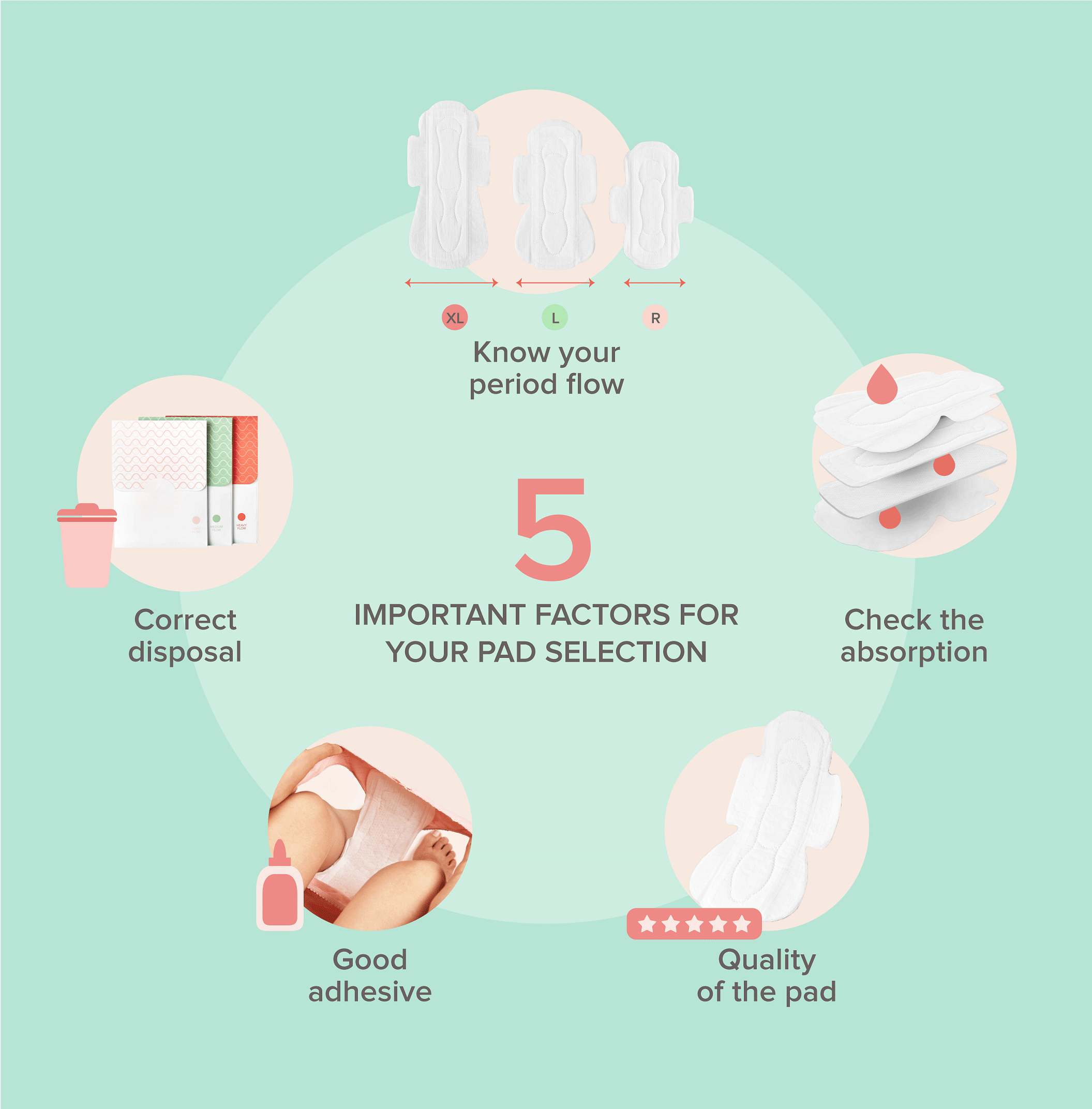
Critical limb ischemia: Fontaine stages 3 and 4; Rutherford stages 4, 5, and 6; Therapies for PAD. The goals of PAD therapy depend on the severity of the disease. For all patients with symptomatic or asymptomatic PAD, reducing the risk of cardiovascular morbidity and mortality is a primary concern.
The 4 Stages of Learning YouTube
Peripheral arterial disease (PAD) is extremely common, particularly in the elderly patients. 1 2 The prevalence of PAD is increasing as "baby boomers" enter high-risk age groups. Despite its common occurrence, it is estimated that the majority of patients with PAD are undiagnosed and undertreated. 3 Risk factors for PAD include age, race, smoking, hypertension, and hyperlipidemia. 4 5 6 7
.