
Antique Chinese blue and white porcelain saucer with stylized design from bearraven on Ruby Lane

Check out our blue and white china selection for the very best in unique or custom, handmade pieces from our plates shops.. Blue and white china, Oriental decor, Chinese wall art, White flowers illustration, Hamptons decor (686) $ 20.50. FREE shipping Add to Favorites CHINA BLUE TEXTURES Paper Pack- Digital Papers - 10 Oriental Asian Damask.
Chinese Blue and White Porcelain Plate, 19th Century For Sale at 1stdibs
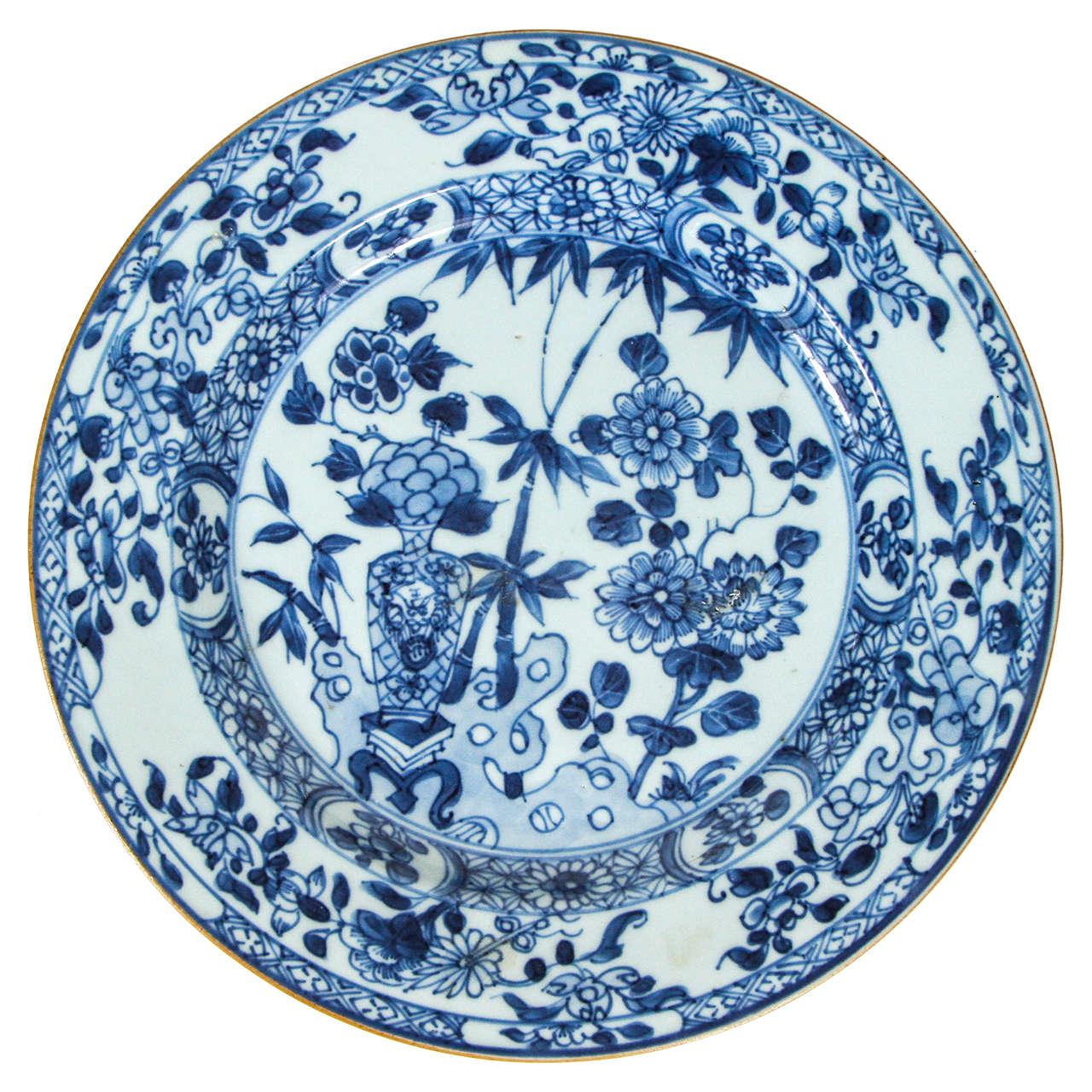
blue-and-white ware, white porcelain decorated with blue under the glaze. At least as early as the 9th century, underglaze blue had been used in the Middle East, whence it was introduced to China in the Yuan dynasty (1279-1368). Particularly notable are the blue-and-white wares produced in China during the Ming (1368-1644) and Qing (1644.
FIVE PIECES OF CHINESE BLUE AND WHITE PORCELAIN , THE BOX, 17TH CENTURY, THE OTHERS KANGXI
.jpg)
The cobalt used to make blue and white Chinese urns is a natural mineral refined by washing or purifying at around 700°C. Once clean, it is ground and mixed with water. It was mined in the modern-day Iranian region of Kashan, in Oman and in Hejaz in Saudi Arabia and reached the Chinese potters in an already prepared state.
A LARGE CHINESE BLUE AND WHITE BOWL , KANGXI PERIOD (16621722) Christie's
.jpg)
Blue and White Porcelain: The Always-Fashionable Color Combination. Add an instant dose of chic. From the vanity to the backyard, in the kitchen or in the bedroom, blue and white adds an instant dose of chic. From the vanity to the backyard, housing orchids or hanging as a plate, blue and white porcelain—of Delft or Chinese origins—adds an.
Chinese blueandwhite ceramics · V&A

NORITAKE VIRTUE Fine China, Vintage 2934, Dinner & Salad (Lunch) Plate Set Solitaire Blue White Rose, Made in Japan 1979-96, Platinum Rim. (2) $8.00. $10.00 (20% off) Blue and White Dinner Plates Mismatched china porcelain dishes new vintage, mix and match. Wedding rehearsal, Bridesmaid Luncheon (9-10)
Sold Price Large Chinese Blue and White Porcelain Bowl, June 3, 0120 1000 AM AEST

Chinese blue and white porcelain originated in the Tang and Song eras (609-1279), but its technology didn't mature until the Yuan era (1279-1368). During the Ming era (1368-1644), blue and white porcelain became the mainstream porcelain, and then reached its peak during the reign of Emperor Kangxi (1661-1722) of the Qing Dynasty.
Chinese blueandwhite ceramics · V&A

The amassing of blue and white porcelains from China has a long standing history in the West and Near East really since this ceramic's inception in the Yuan Dynasty almost 700 years ago. The Chinese and foreigner alike have been mesmerized by its beauty and the naturalistic color combination of sky and cloud. Particularly Europeans.
Chinese Imperial Blue and White Porcelain Bowl Catalogue Ralph M. Chait Galleries

Originally invented in China, blue-and-white ceramics were widely circulated, copied and re-created by makers worldwide, becoming one of the most well-known and enduring products in the history of Chinese porcelain. Teabowl and saucer, unknown maker, about 1725, China. Museum no. FE.36:1-2007.
Chinese Style Blue and White Porcelain Tableware Sets of 60 Pcs High Quality Bone China
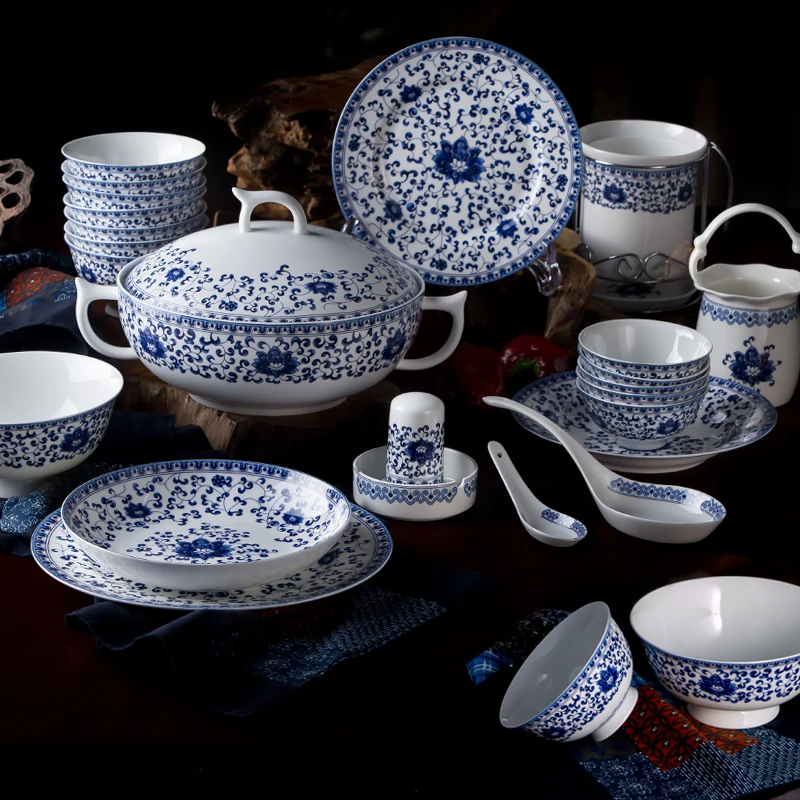
The emergence and evolution of blue-and-white porcelain symbolized the vibrant cross-cultural exchanges between China and the world during that period. Likewise, famille rose porcelain emerged.
Pair Antique Chinese Blue and White Porcelain Ginger Jars and Covers warehouse 414

The new book, Four Centuries of Blue & White (Paul Holberton Publishing, 2023), illustrates 550 pieces from the collection, with paintings, prints, screens, and other works of art enriching the story. Contributions by William R. Sargent, former Curator of Asian Export Art at the Peabody Essex Museum, and noted armorial porcelain authority Angela Howard precede the 13 thematic chapters, which.
Pair of Large Blue and White Chinese Porcelain Vases with Dragons at 1stdibs
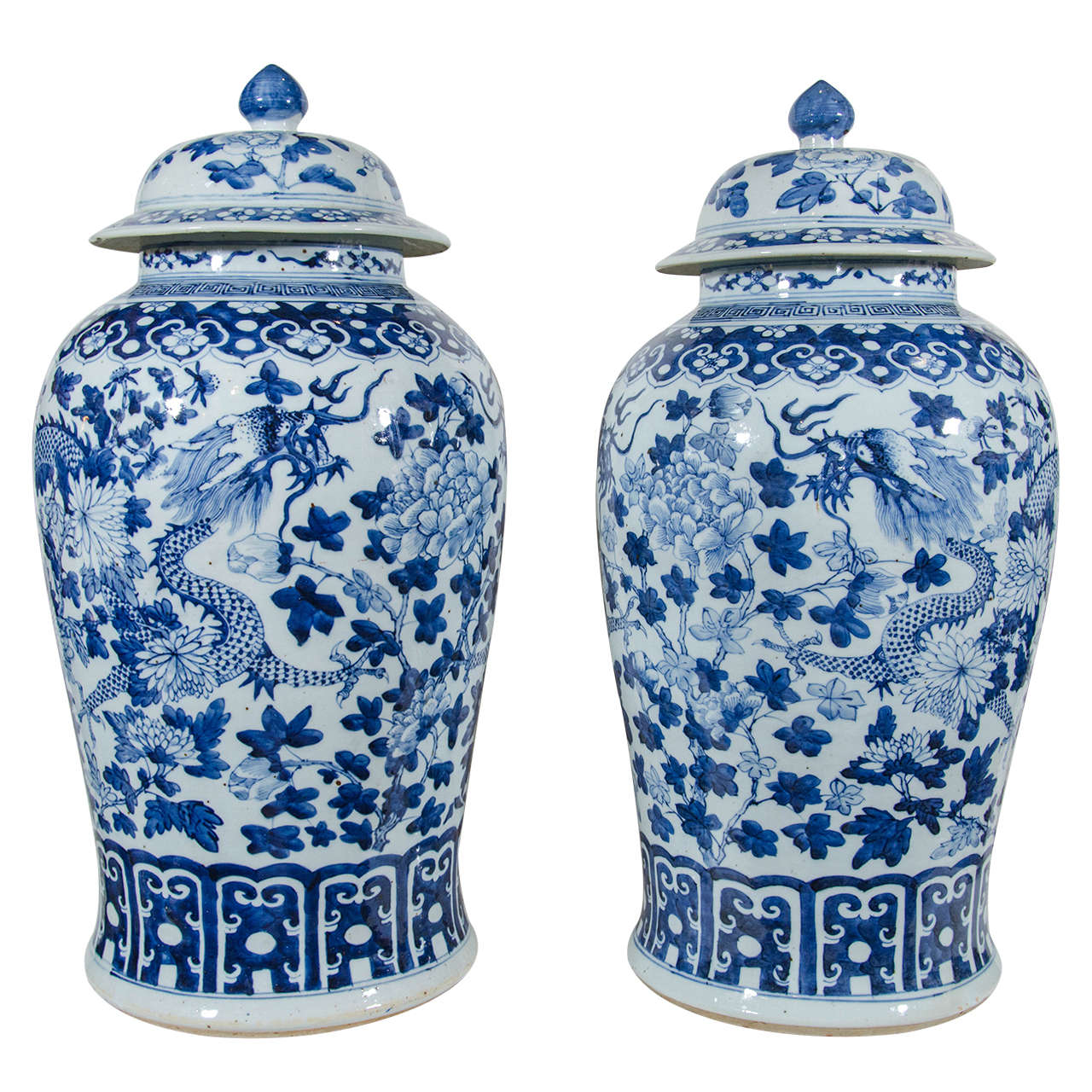
Chinese Blue and White Porcelain refer to a type of ceramic ware characterized by its white body adorned with intricate designs in cobalt blue pigment. Origins and Development. Early Origins of Blue and White Ceramics in China. The origins of blue and white ceramics in China can be traced back to the Tang Dynasty (618-907 AD).
Chinese ceramic ginger jar Antique Porcelain chinese blue and white jingdezhen porcelain jarsin
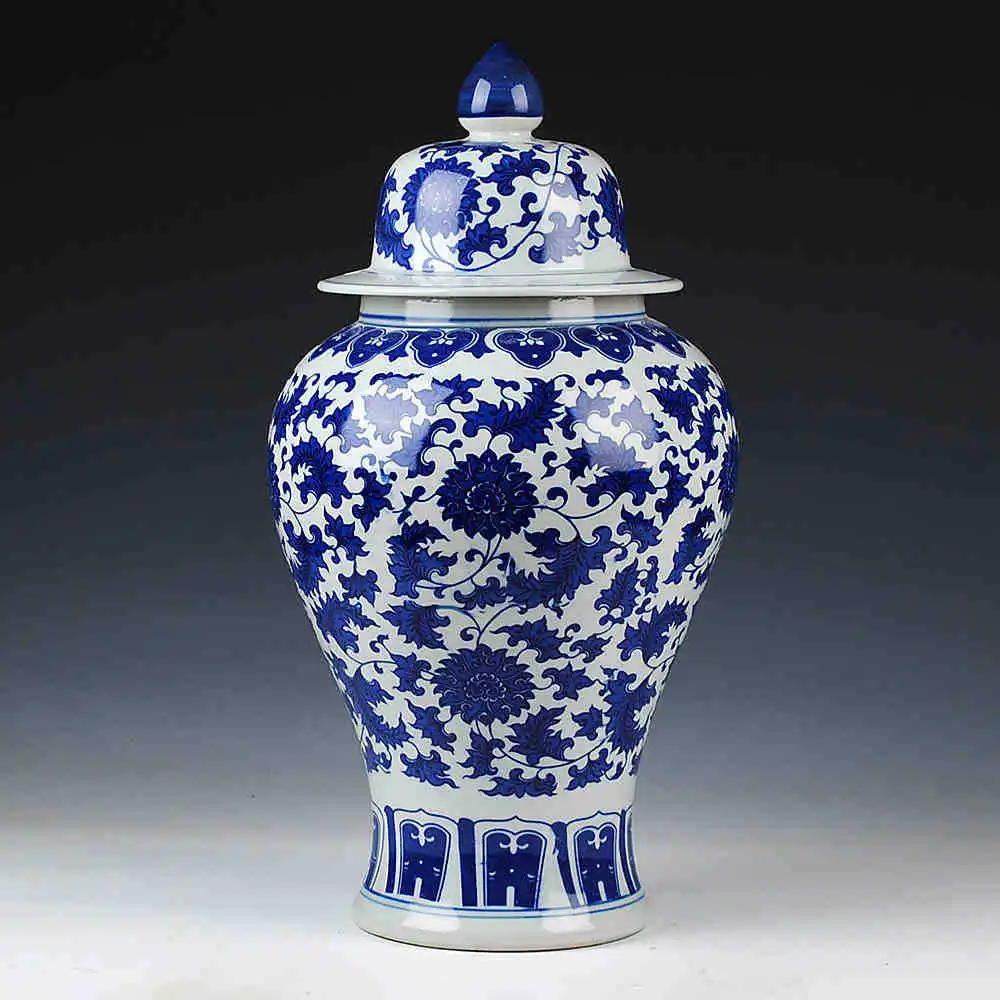
Take the ever-popular classic blue-and-white china pattern—Blue Willow—for instance. Even the origin of this timeless pattern is, well, a timeless love story. It grew in prominence in 18th-century England, with its inspiration stemming from Chinese ceramics and, most notably, a fable about star-crossed lovers.
Chinese blueandwhite ceramics · V&A

Lot 45. A Very Rare Blue and White Garlic-Head Vase, Kangxi six-character mark and of the period. Estimate £4,000 - 6,000. Lot 46. A Blue and White Celadon and Copper-Red Vase, Meiping, Kangxi. Estimate £6,000 - 10,000. Lot 43. A Very Rare Blue and White 'Immortals' Sleeve Vase, Chongzhen. Estimate £20,000 - 30,000.
Old Chinese Blue and white Porcelain painted Platein Statues & Sculptures from Home & Garden on
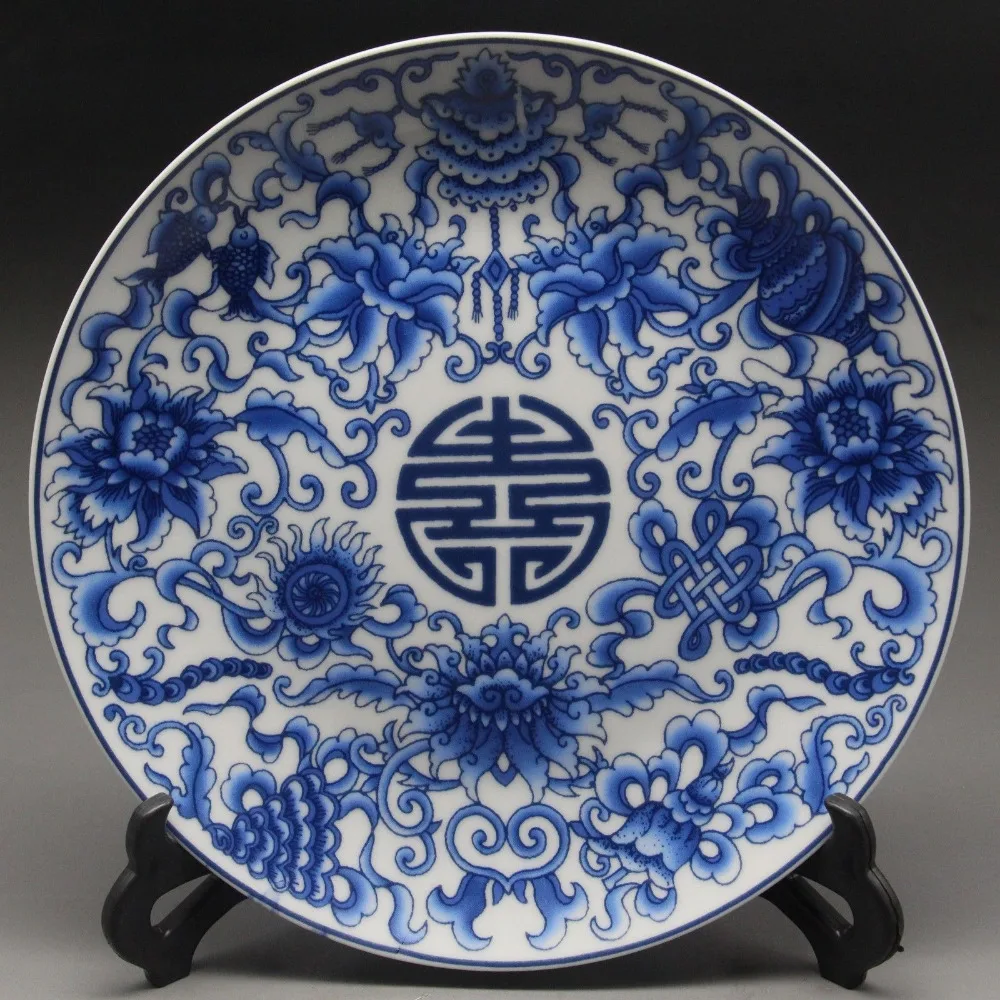
Blue-and-white porcelain was reserved for special occasions or used for diplomatic gifts. A pair of blue-and-white and iron-red decorated 'Dragon' dishes. Jingwei Tang Zhi hall marks in underglaze blue within a double square, Qing Dynasty, 18th century. 6⅞ in (17.5 cm) diameter. This lot was offered in Pavilion Online: Chinese Art, 4-12 April.
Large Chinese Kangxi blue and white prunus and cracked ice design lidded ginger jar 18th century

Dutch delftware vase in a Japanese style, c. 1680 "Blue and white pottery" (Chinese: 青花; pinyin: qīng-huā; lit. 'Blue flowers/patterns') covers a wide range of white pottery and porcelain decorated under the glaze with a blue pigment, generally cobalt oxide.The decoration is commonly applied by hand, originally by brush painting, but nowadays by stencilling or by transfer-printing.
A CHINESE BLUE AND WHITE PORCELAIN DISH , 16TH CENTURY Christie's
.jpg)
Chinese porcelain decoration: underglaze blue and red. Though Chinese potters developed underglaze red decoration during the Yuan dynasty (1279-1368 C.E.), pottery decorated in underglaze blue was produced in far greater quantities, due to the high demand from Asia and the Islamic countries of the Near and. Middle East.
.